
Game rules.
Better moves.
These guides explain the rules, controls and decisions in our browser editions. Learn Sudoku deductions or arcade timing, then use the game library to put the lesson into play.
Start with puzzles
Puzzle rules and solving guides
These guides teach deduction. They show which clue to read first, when a step is certain, and how to stop guessing on a board that already tells you the answer.
 Puzzle · THE PLAYBOOK
Puzzle games: less guessing, more solving.
Separate deduction, information gathering and board planning before choosing your next move.
Make your next move Puzzle · THE PLAYBOOK
2048 corner strategy: give your biggest tile a home.
A practical corner strategy, with the exceptions that keep it useful.
Make your next move Puzzle · THE PLAYBOOK
Sudoku for beginners: start with what you know.
Rows, columns, boxes and the first two deductions worth learning.
Make your next move Puzzle · THE PLAYBOOK
Minesweeper patterns: read what the clues share.
Learn the basic deductions before relying on memorized patterns.
Make your next move Puzzle · THE PLAYBOOK
15 Puzzle, Lights Out and Mastermind: three ways to reason.
Slide tiles, switch lights and decode colors with a clear purpose for each move.
Make your next move Puzzle · THE PLAYBOOK
5×5 Nonogram: start where the clues overlap.
Turn five-cell clues into definite filled and empty squares.
Make your next move Puzzle · THE PLAYBOOK
Peg Solitaire rules: keep the next jump connected.
Read the cross as a network of possible jumps, not separate pegs.
Make your next move Puzzle · THE PLAYBOOK
Hangman strategy: let the pattern narrow the word.
Use the category, repeated letters and previous misses together.
Make your next moveClassic arcade rules and strategy
Arcade classics reward small habits. These guides cover the angles, spacing and route choices that separate a short run from a long one.
 Classics · THE PLAYBOOK
Arcade games: small rules, better moves.
Read the different clocks in Snake, Breakout, Pong and Tetris: grid steps, collisions and falling pieces.
Make your next move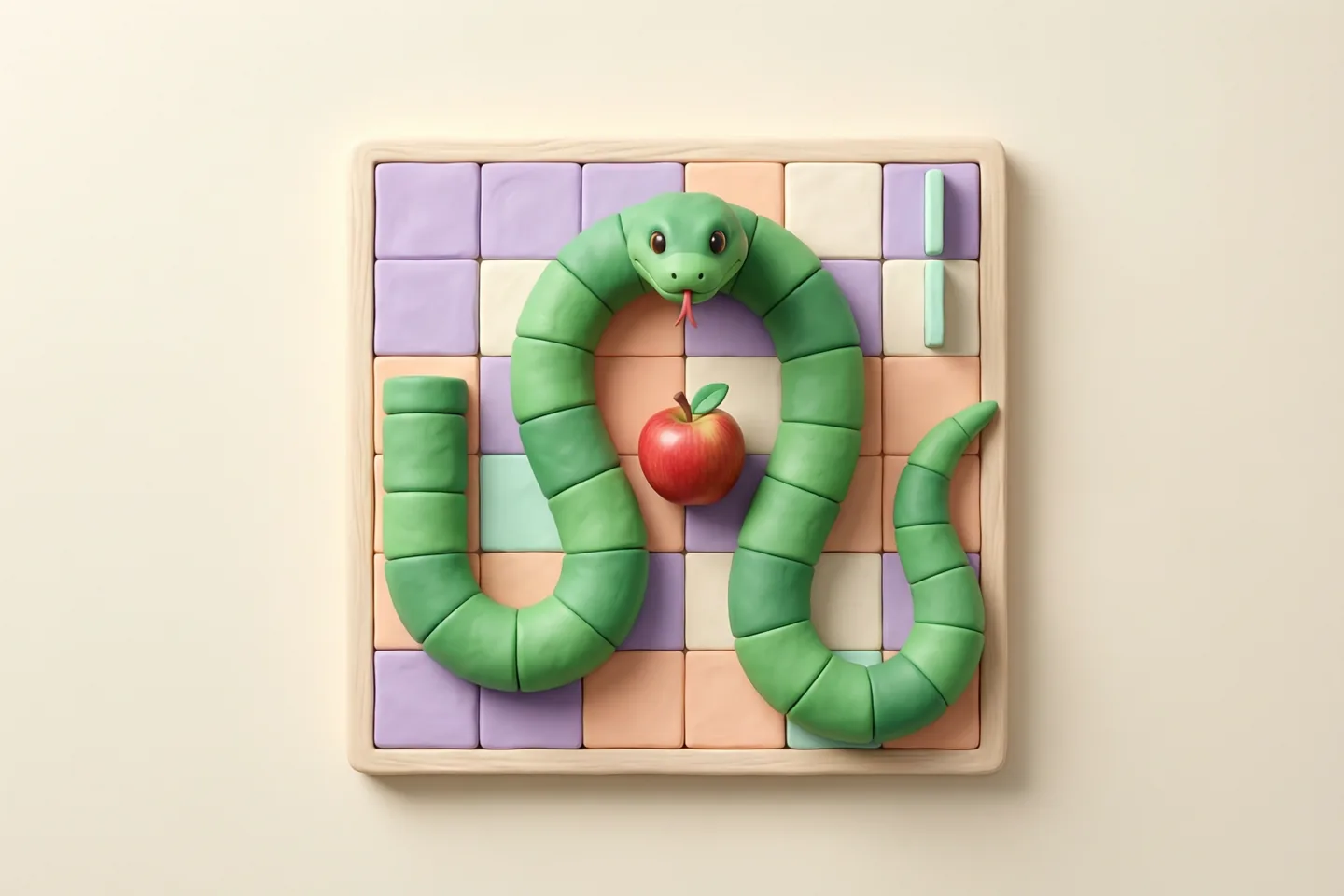 Classics · THE PLAYBOOK
Snake: save some room for the way back.
Plan a legal next step, an exit after food, and a different route for Snake II’s wrapping board.
Make your next move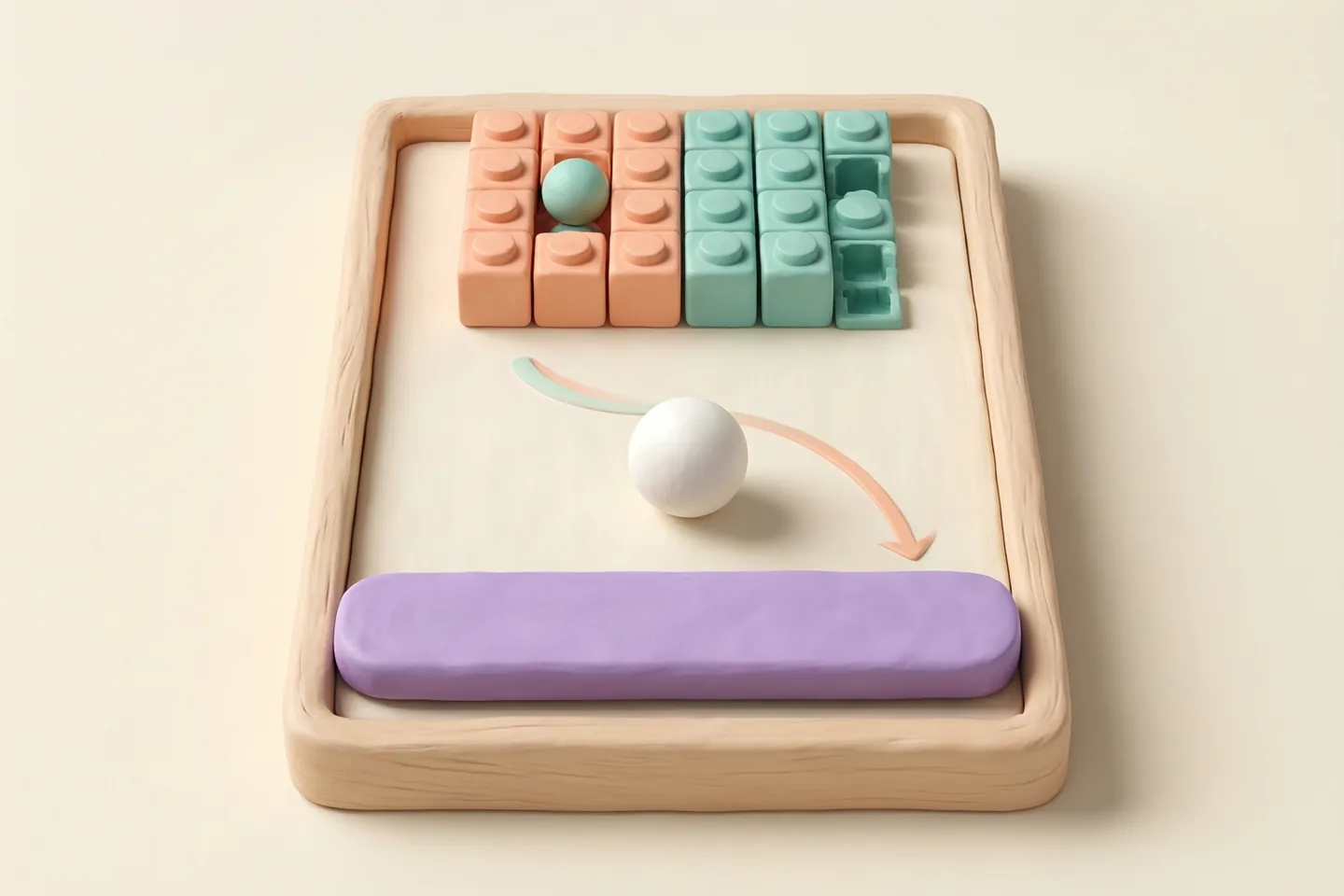 Classics · THE PLAYBOOK
Breakout paddle angles: watch the return path.
Use this Breakout paddle’s actual contact rule to choose central and angled returns.
Make your next move Classics · THE PLAYBOOK
Browser game controls: get comfortable.
How controls, local saves and fullscreen work on Free Games.
Make your next moveRunning game controls and timing
Runners give you one input and no brakes. These guides work on rhythm, on reading an obstacle early, and on the moment to commit to a jump.
 Runners · THE PLAYBOOK
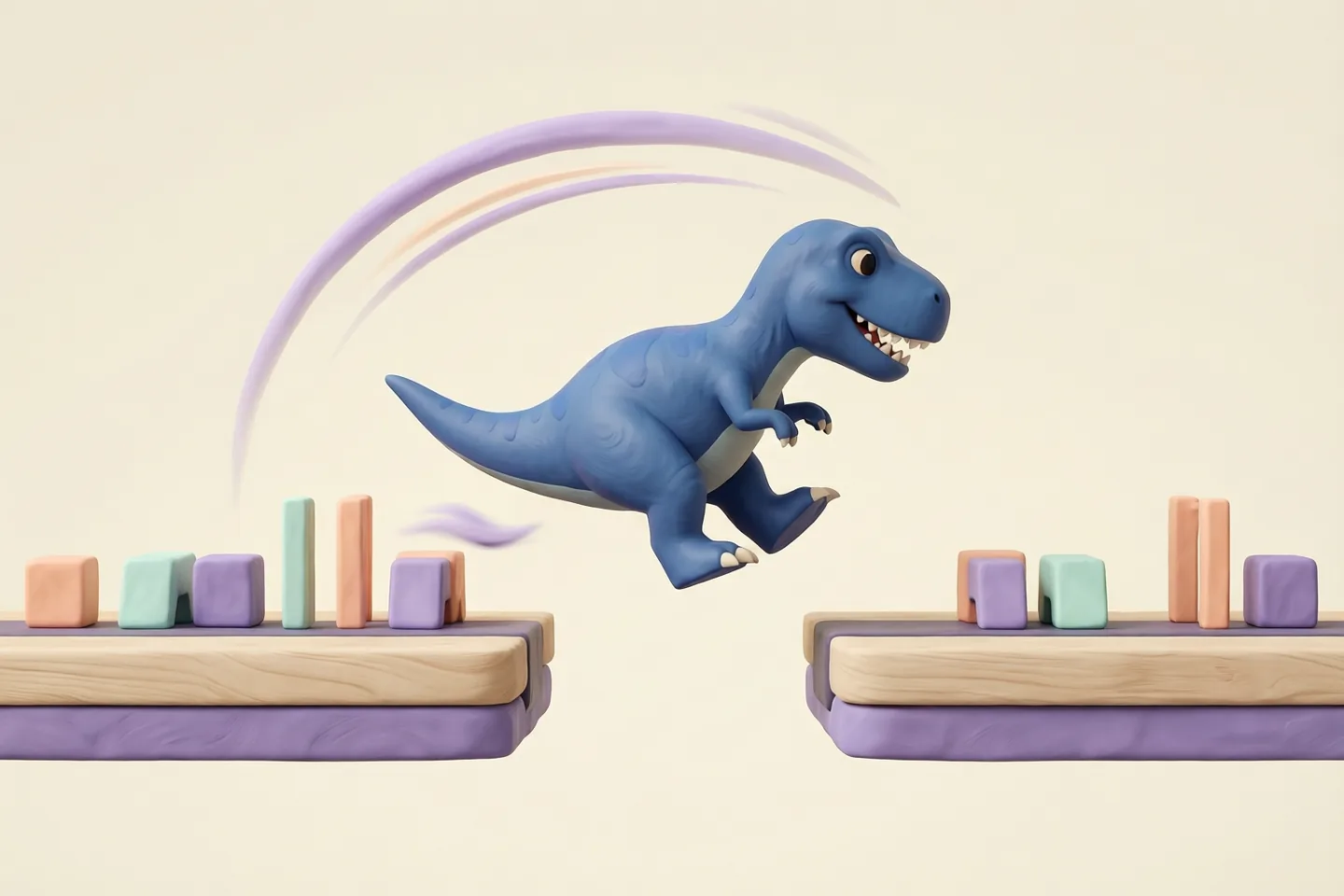
Running games: find your rhythm.
A jump, a flap, a lane change and a corner tap solve four different movement problems.
Make your next move Runners · THE PLAYBOOK
Short-break games: find a round that fits.
Choose by the round’s stopping rule: an active timer, a fixed number of moves or a finish you set yourself.
Make your next moveSports game aiming and technique
Aiming games hide two separate decisions: direction and power. These guides split them apart so you can fix the one that is actually costing you points.
 Sports · THE PLAYBOOK
Sports games: aim, practice, repeat.
Compare drag shots, timed kicks and live puck returns before trying to improve the score.
Make your next move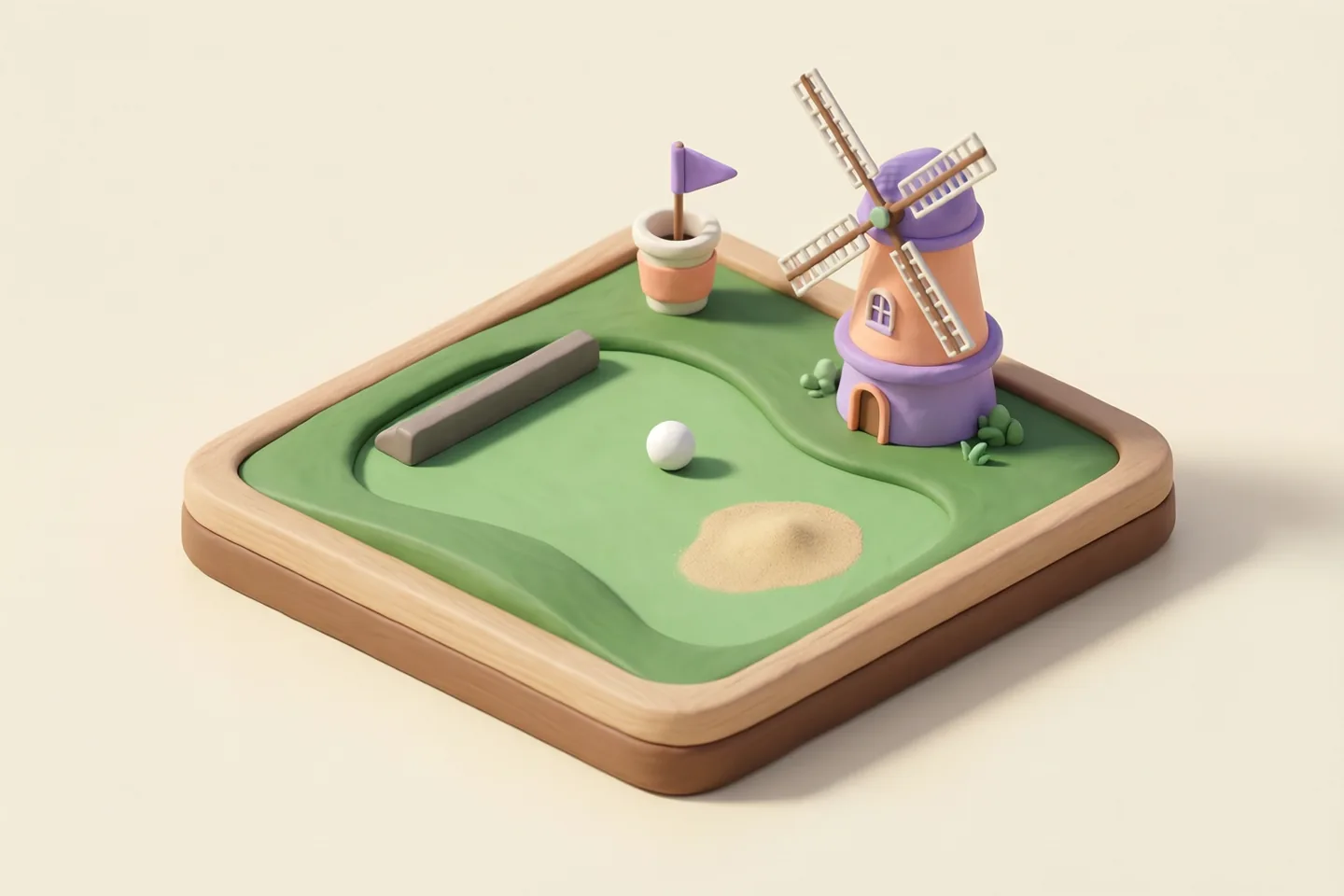 Sports · THE PLAYBOOK
Mini Putt: make the next shot easier.
Read the nine-hole Mini Putt course: the opening lane, center block, sand and windmill.
Make your next moveArcade shooting controls and strategy
Shooters get crowded fast. These guides cover screen space, firing discipline and the order to clear threats before the board closes in.
 Shooters · THE PLAYBOOK
Arcade shooting games: make room for the next shot.
Fixed cannons, drifting ships and defensive explosions need different escape and aiming plans.
Make your next moveTiming, memory and steering guides
Skill games measure one thing each. These guides explain what is being measured and the practice that moves the number.
 Skill · THE PLAYBOOK
Browser skill games: practice the next move.
Separate anticipation, reaction and continuous steering so you can tell what an attempt actually teaches.
Make your next moveBoard game rules and strategy
Board games are decided a turn before the mistake shows. These guides cover threats, forced replies and the openings worth knowing.
 Strategy · THE PLAYBOOK
Board game strategy: think one turn ahead.
Gravity, forced captures, extra turns and legal replies change what “think ahead” means on each board.
Make your next move Strategy · THE PLAYBOOK
Tic-Tac-Toe forks: create and block two threats.
A short guide to winning moves, blocks and forks.
Make your next move Strategy · THE PLAYBOOK
Chess clocks: starting time and increment, explained.
Set up a shared-device timer for the board game you are actually playing.
Make your next move Strategy · THE PLAYBOOK
Connect Four: make your threats playable.
Read gravity, block immediate wins and make use of the center.
Make your next move Strategy · THE PLAYBOOK
Reversi: the biggest capture can wait.
Learn why legal moves and secure corners matter more than an early disc lead.
Make your next move Strategy · THE PLAYBOOK
Checkers rules: read the capture before the move.
Learn forced jumps, connected pieces and the difference a king makes.
Make your next move Strategy · THE PLAYBOOK
Mancala Kalah: count the landing stone.
Use extra turns, capture threats and the final sweep in Kalah.
Make your next move Strategy · THE PLAYBOOK
Dots and Boxes: see the chain before it opens.
Count sides, avoid easy gifts and make extra turns work for you.
Make your next moveMaze routes and escape tips
Maze games are route problems with something chasing you. These guides cover planning an exit before you need it.
 Adventure · THE PLAYBOOK
Maze games: plan your route.
Plan around moving ghosts, blast lines, falling rocks and the cost of a timed detour.
Make your next move