
ConcentrationPuzzle·Free to play
 Free-Games.toSign inSurprise me
Play logic, number and tile puzzles in your browser. Choose Sudoku for digit deduction, Nonogram for picture clues or 2048 for merging tiles on a changing board. Each game lists its own rules and controls.
15 games · Free to play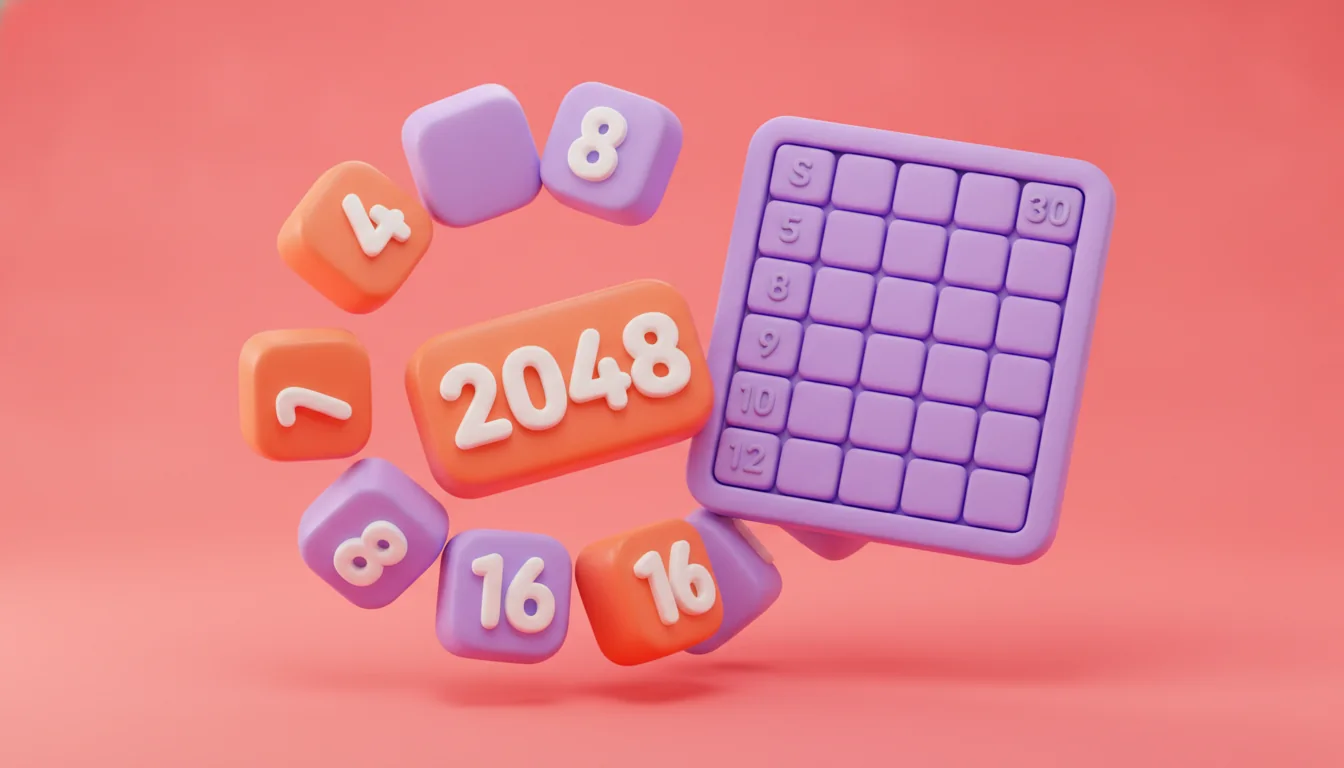



 QUICK PICK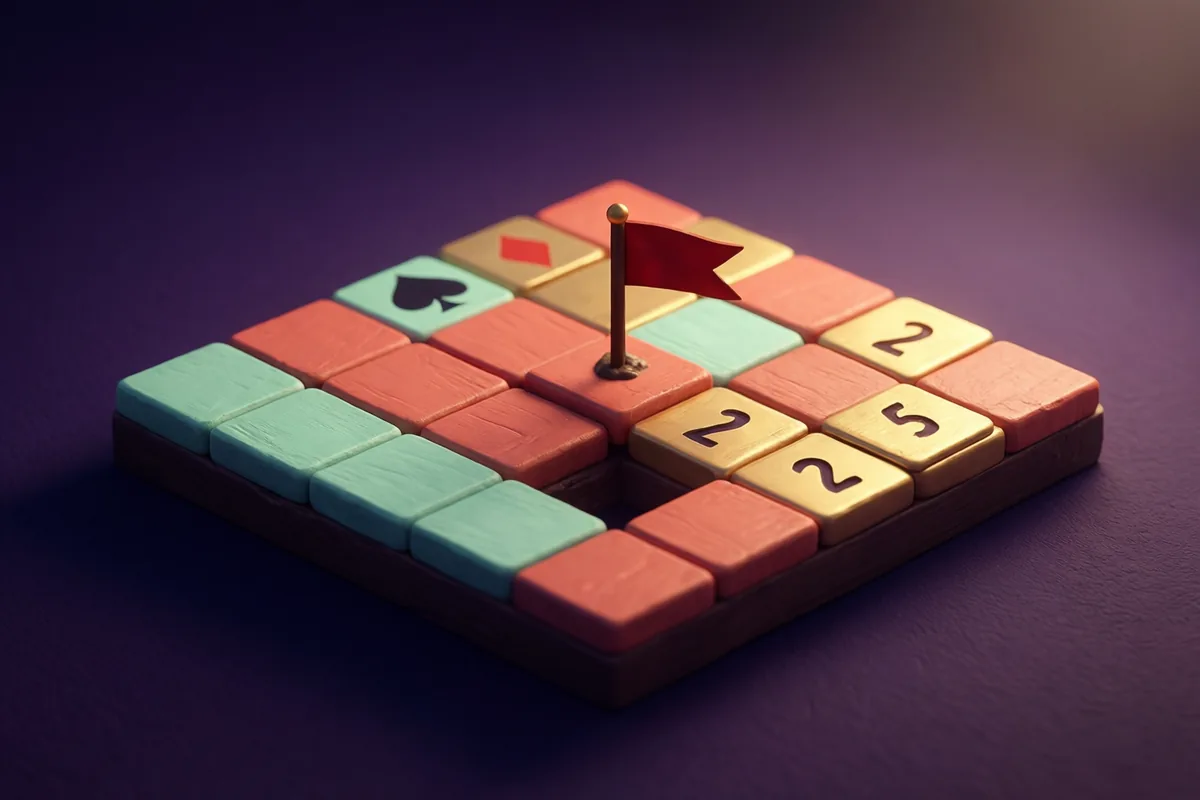
 NEW GAME
 NEW GAME
 NEW GAME
No games matched that search. Try a game name or browse a category. Explore all games →
A deduction puzzle gives you clues to test; a changing board asks you to preserve options after every move. Choose the type of decision you enjoy before choosing a score to chase.
| Game | Choose it to… | What changes your next move |
|---|---|---|
| Sudoku | Deduce a missing digit | Rows, columns and boxes constrain each placement. Notes let you keep a possibility separate from an answer. |
| Concentration | Try another available format | Match every pair of cards in as few flips and as little time as possible. |
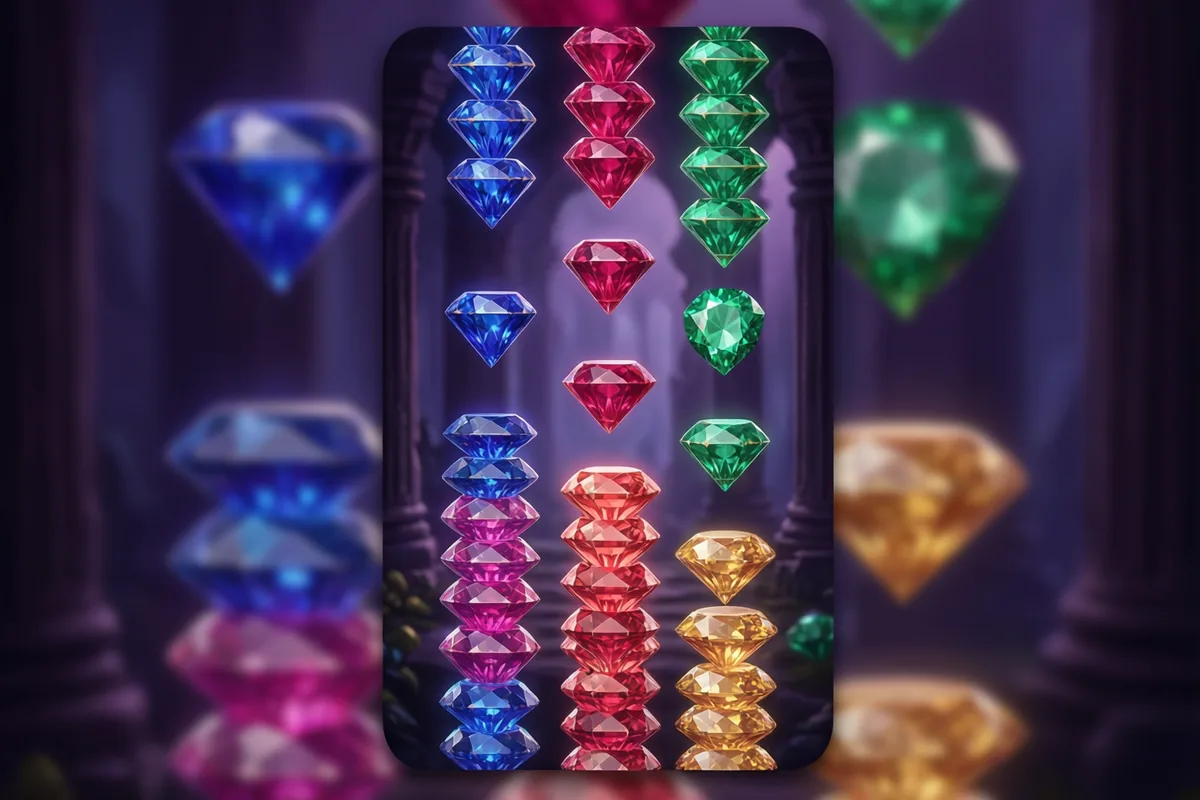
| Columns | Try another available format | Rotate falling gem columns to line up three-plus matches in any direction. |
In Sudoku, start with a group that has one gap. In Nonogram, look for squares shared by every possible placement of a run. In 2048, inspect your empty cells before moving. These are different starting questions, so a habit that helps one puzzle may not help another.
For a starting method, the puzzle game guide separates deductions from board-management decisions, so you can choose a useful check for the puzzle in front of you.
This collection holds fifteen free online puzzle games, and every one of them rewards thinking rather than fast fingers. Some are quiet. Sudoku hands you a grid and no timer, so you can sit with one stubborn cell for as long as you like. Others put a fuse under you: Pipe Mania starts the goo flowing while you are still laying pipe. The collection suits anyone who enjoys the moment a board suddenly makes sense, whether that takes ten seconds or ten minutes. If you want the rules of digit deduction spelled out before you start, the Sudoku guide for beginners works through a single cell from the first clue to the answer.
Sudoku, Lights Out and Peg Solitaire never hurry you. Peg Solitaire keeps an Undo button so you can back out of a dead end and try a different jump. Lights Out builds every board by starting from a dark grid and applying valid presses, which is why a hint can always find you a useful next move. These are the puzzles to open when you want to stop and stare.
Concentration gives each grid its own clock, and finishing early banks the seconds you saved. The Impossible Quiz allows ten seconds per question across 25 questions and three lives, so a timeout costs exactly what a wrong answer costs. Pipe Mania counts down before the goo starts moving, and after that your only job is staying ahead of it.
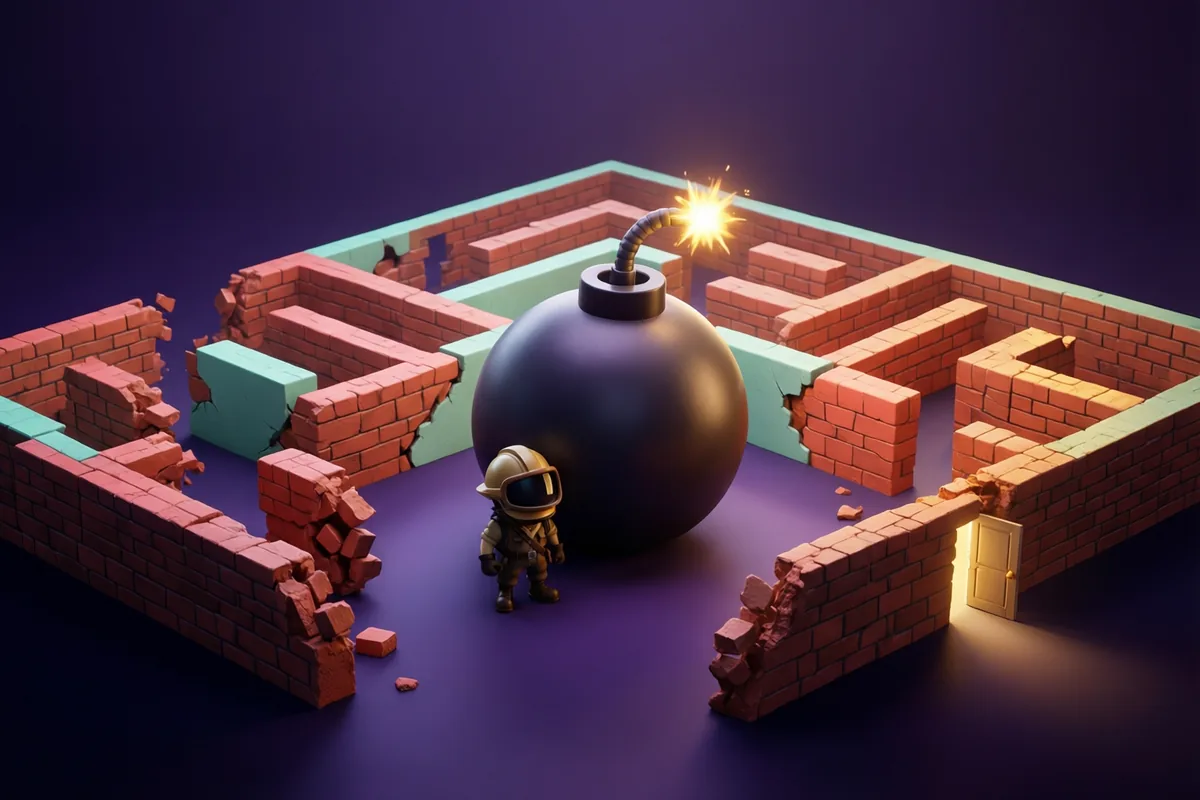
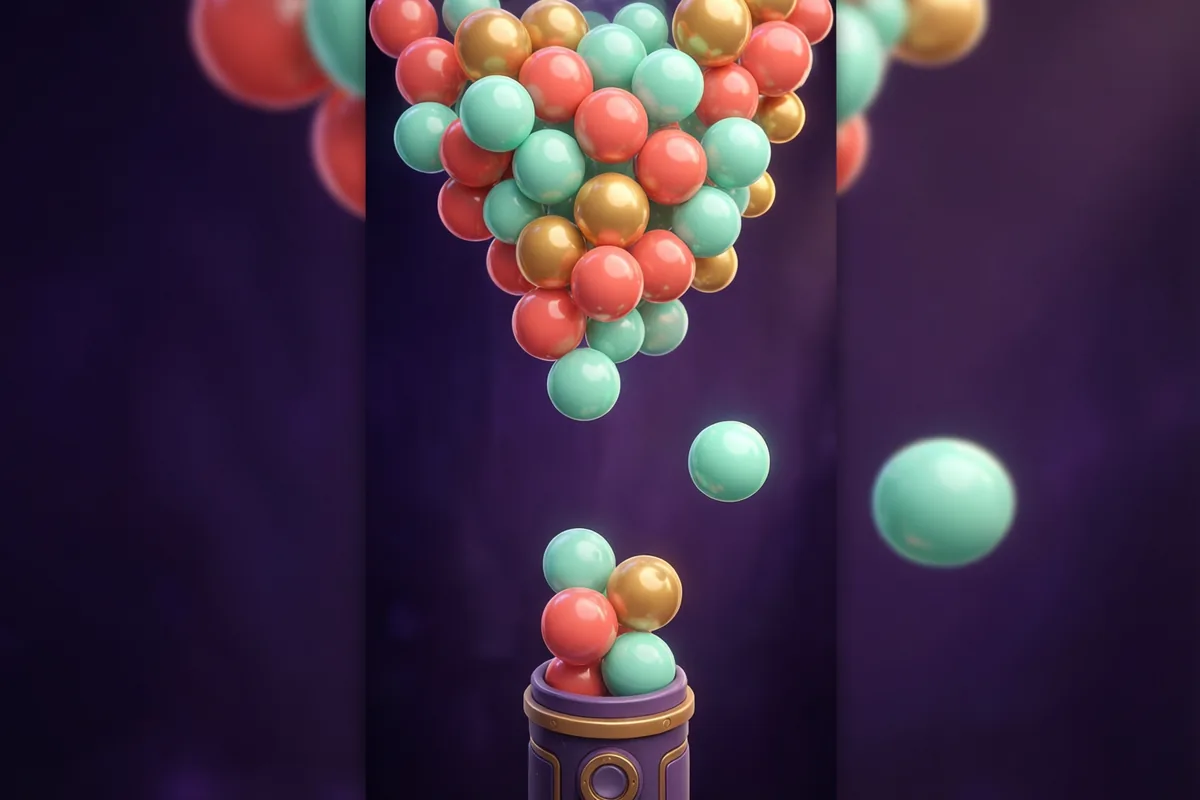
Columns raises the fall speed at every level, so the pile creeps up while you are still deciding. Bubble Shooter adds a fresh ceiling row after five shots that match nothing, which turns wasted aim into lost space. Mahjong Solitaire never times you, but it can strand you: when no free pair is left, the run banks whatever you cleared. If you would rather walk through a puzzle than look down at one, the maze games collection is the neighbouring shelf.
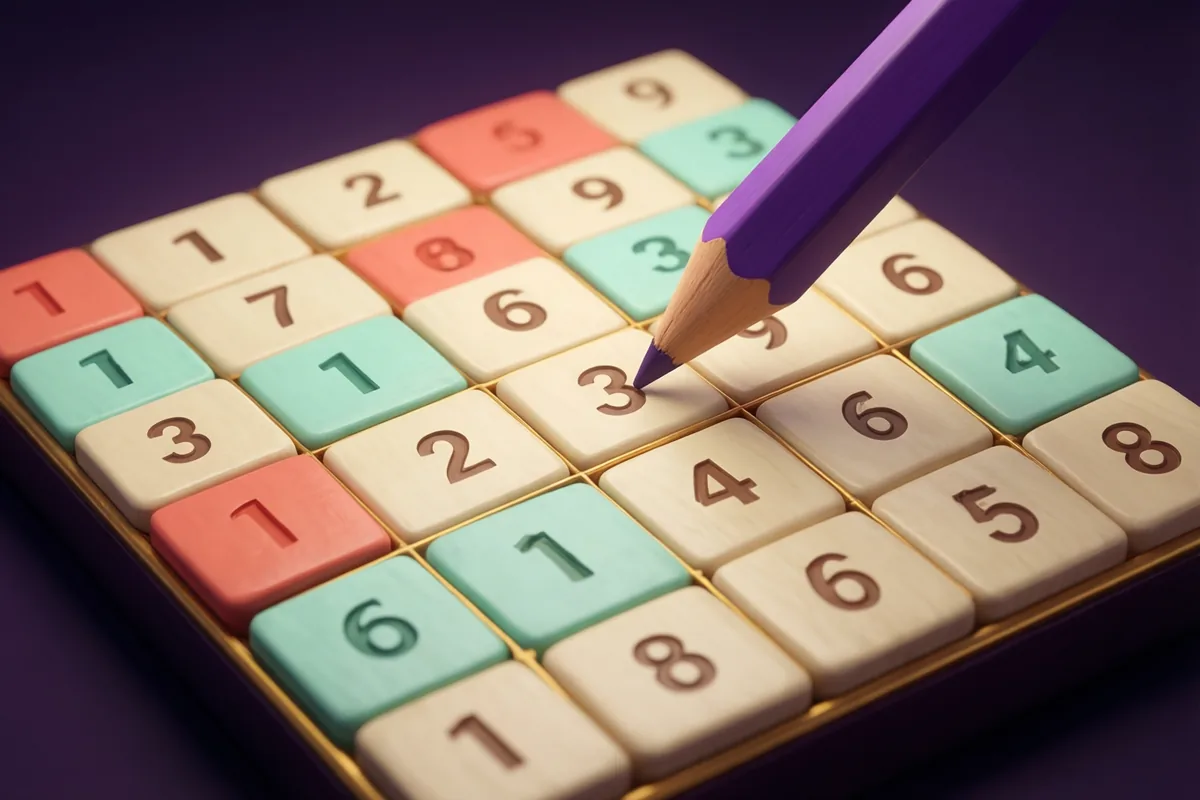
Sudoku constrains every placement three ways at once, through its row, its column and its 3 x 3 box. Minesweeper works the same muscle with numbers instead of digits: each clue counts the mines among that square’s eight neighbours. Reading two overlapping clues together is where the real progress happens, and the Minesweeper pattern guide shows how one clue can prove another square safe.
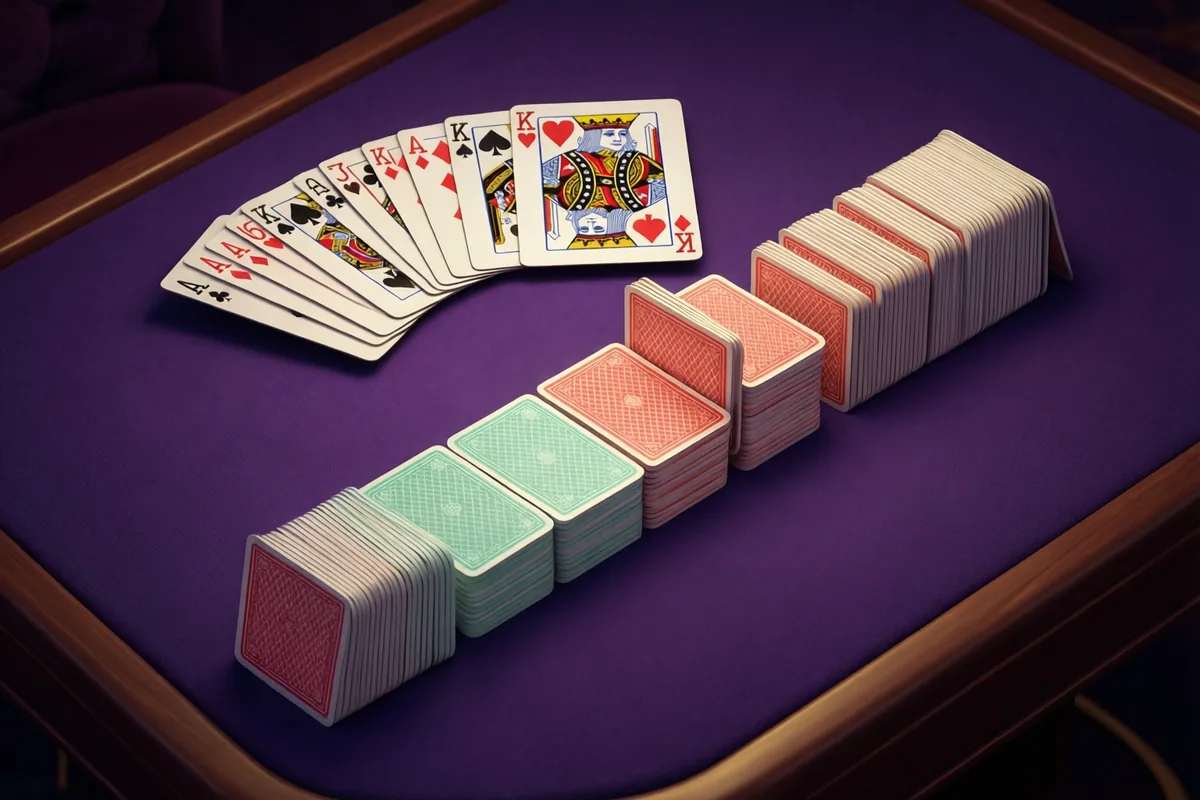
Concentration starts at six pairs and grows to ten, counting your flips the whole way. The skill is not luck; it is converting a failed flip into a remembered location. Mahjong Solitaire asks a slower version of the same question across ninety-six tiles, because a tile you noticed two matches ago is the one that unblocks the layer above.
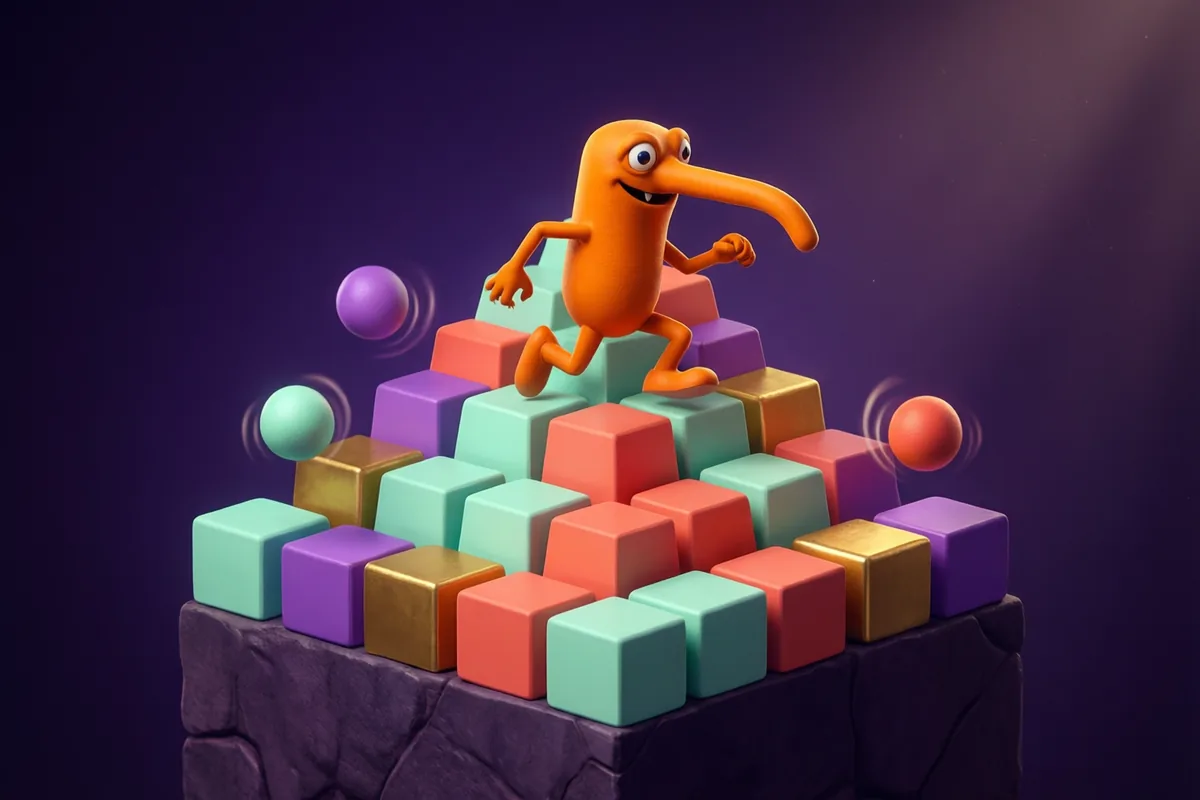
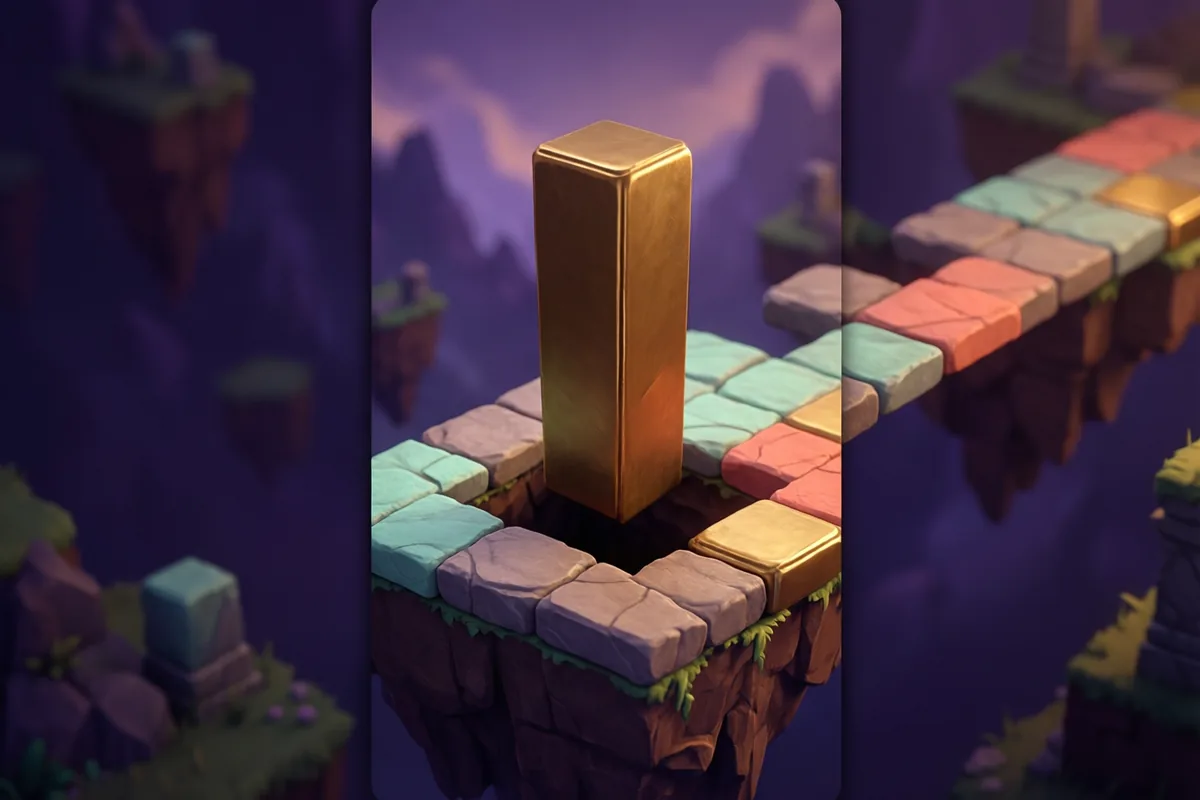
Bloxorz gives you a double-height block that stands on one tile or lies across two, and every roll swaps between those states. Orange tiles hold a lying block but crack under a standing one, so the state you arrive in matters as much as the route. Q*bert removes straight movement altogether: all four inputs are diagonals, and 28 cubes need recolouring while enemies bounce down at you.
In Minesweeper, a flag is your own note, not proof. Placing one does not reveal anything, and building on a wrong flag ruins the squares around it. Sudoku has the same trap in reverse: writing a digit you are not sure of poisons the row, column and box it sits in. Use Notes for a maybe and the keypad for an answer.
Mahjong Solitaire counts a tile as free only when nothing sits on top of it and one of its sides is open. Clearing a free pair from the edge can be the move that leaves a twin buried for good. Look for the pair that opens the most tiles, not the pair that is nearest.
Pipe Mania lets you place over an existing pipe for a fifty-point fine, but flooded pipe is permanent and cannot be replaced at any price. Bubble Shooter punishes the same carelessness with space instead of points. In both games, the cost of a move arrives several moves later.
| Game | Kind of thinking | What pushes you | How the puzzle ends |
|---|---|---|---|
| Sudoku | Deduction from row, column and box | Nothing; there is no timer | Every cell holds a digit that fits all three groups |
| Minesweeper | Counting mines around a number | Only your own guessing | Every square without a mine is revealed |
| Concentration | Recall of card positions | A clock on each level | All pairs matched before the clock reaches zero |
| Mahjong Solitaire | Matching identical free tiles | A combo chain that resets if you pause | All ninety-six tiles cleared, or no free pair left |
| Pipe Mania | Planning a route ahead of a flow | A countdown, then the goo itself | The goo spills past the end of your pipework |
| Bloxorz | Spatial reasoning in two block states | Only the edge of the floor | The upright block drops into the exit hole |
| Bubble Shooter | Colour grouping and wall rebounds | Five unmatched shots add a ceiling row | The grid is cleared, or bubbles reach the launcher |
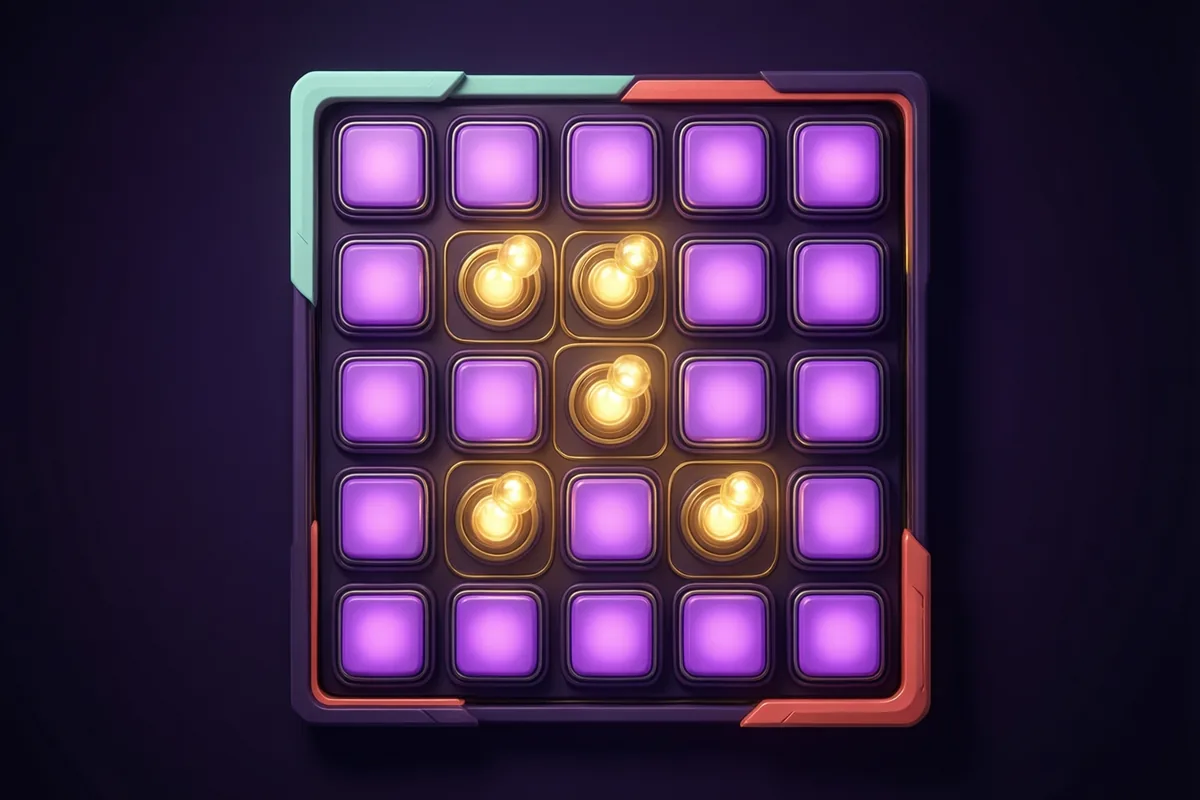
Lights Out. The rule fits in one sentence: press a cell and it toggles itself and the cells directly above, below, left and right. Every generated board is solvable, and the hint button will show you a useful press if you stall.
It depends on the puzzle. Peg Solitaire has Undo, which is what makes exploring a jump sequence worthwhile. Sudoku lets you erase a digit or keep it as a note instead. Pipe Mania charges fifty points to replace a piece, and refuses once the goo has reached it.
The Impossible Quiz is built for it. Twenty-five questions run on ten-second timers, and three lives cover both wrong answers and timeouts. A single Concentration level is shorter still, since each grid has its own clock.
Because no free pair remains. A tile is free only when nothing rests on top of it and its left or right side is open. When the last matching pair is blocked, the run ends and your score keeps what you cleared.
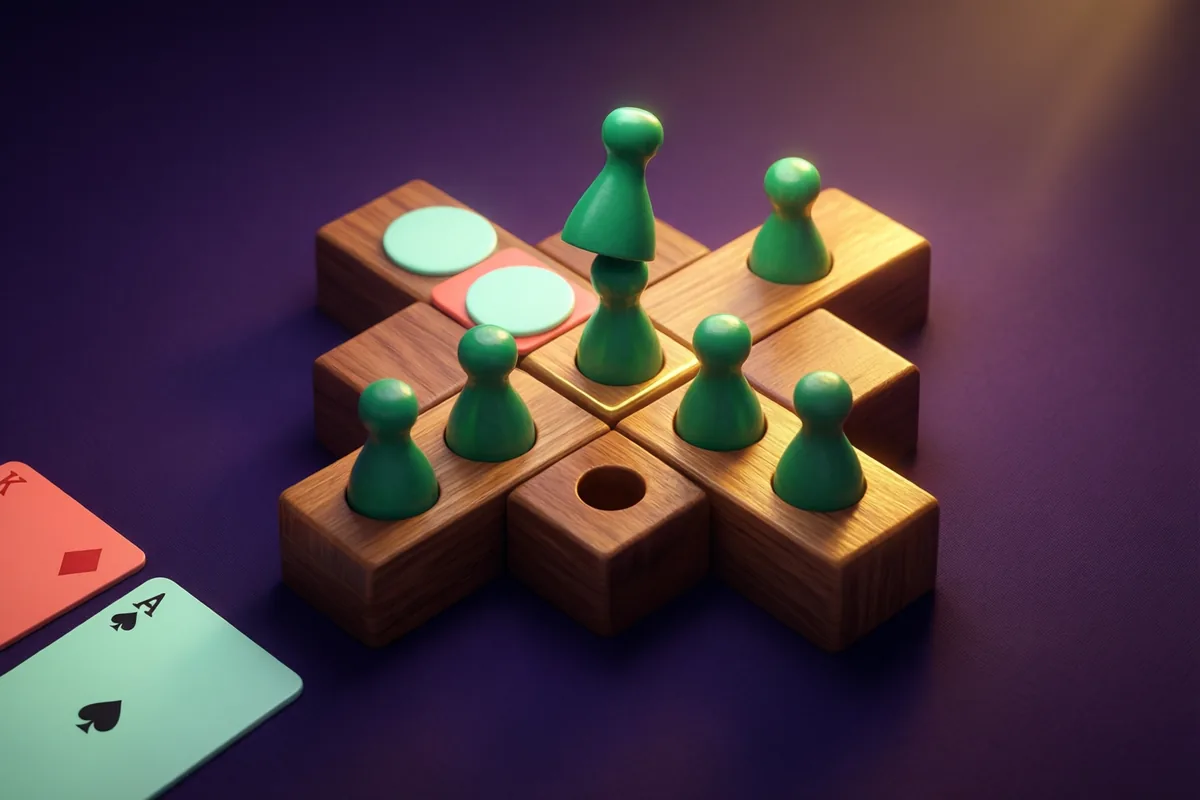
Peg Solitaire always opens with the English cross: 33 holes, 32 pegs and an empty centre, which lets you compare two attempts fairly. Sudoku and Lights Out generate a new board each game instead.
Separate deduction, information gathering and board planning before choosing your next move.
puzzle game guideShortcuts