Board game strategy: think one turn ahead.
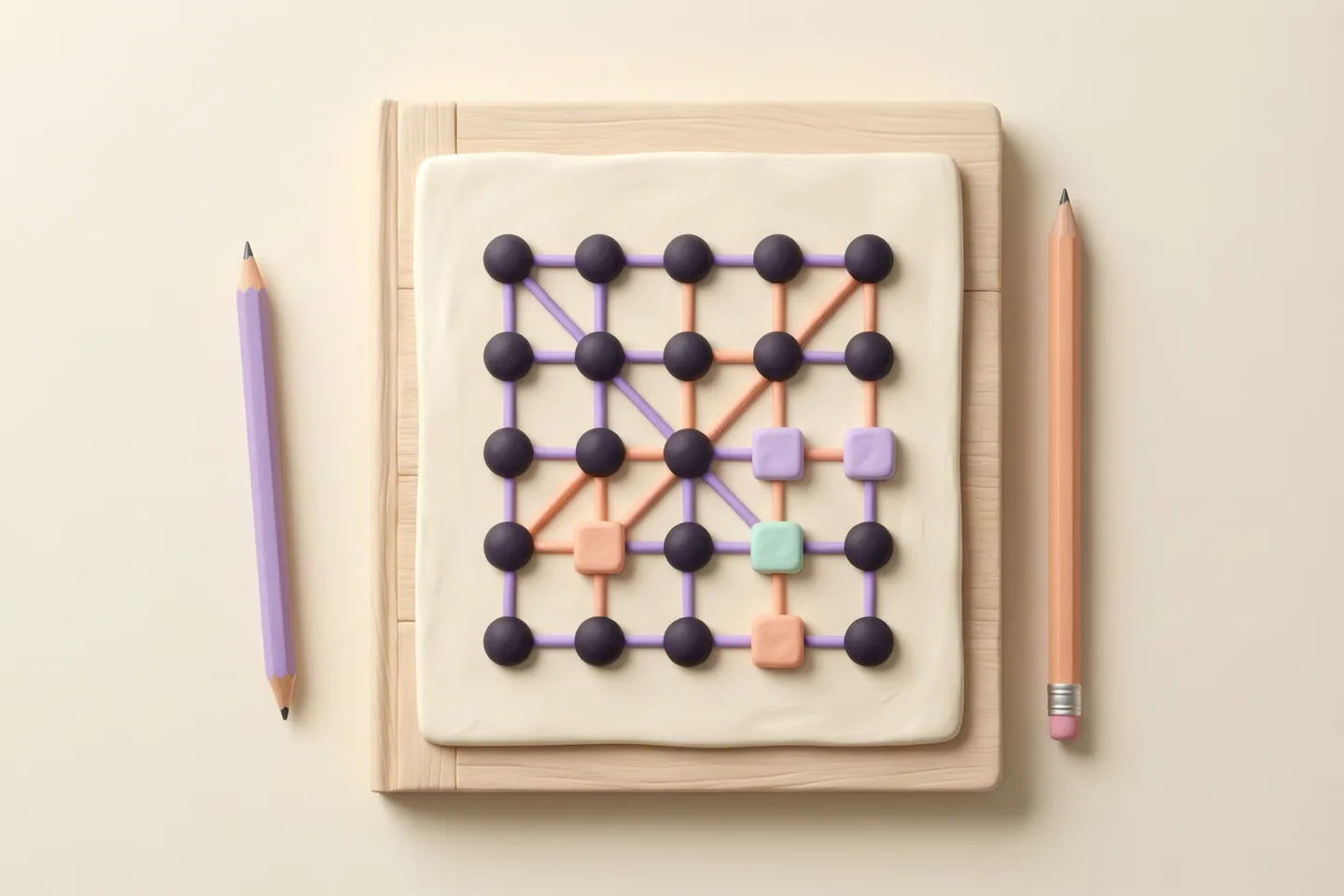
Check for an immediate win, then an opponent’s immediate threat. If neither exists, compare the replies your move permits. Checkers, Mancala, Dots and Boxes, Connect Four and Reversi offer computer or same-device opponents.
Choose a different kind of decision
Start by listing the moves the rules actually allow, because each of these games limits your choices in a different way.
| Game | The restriction | What follows from it |
|---|---|---|
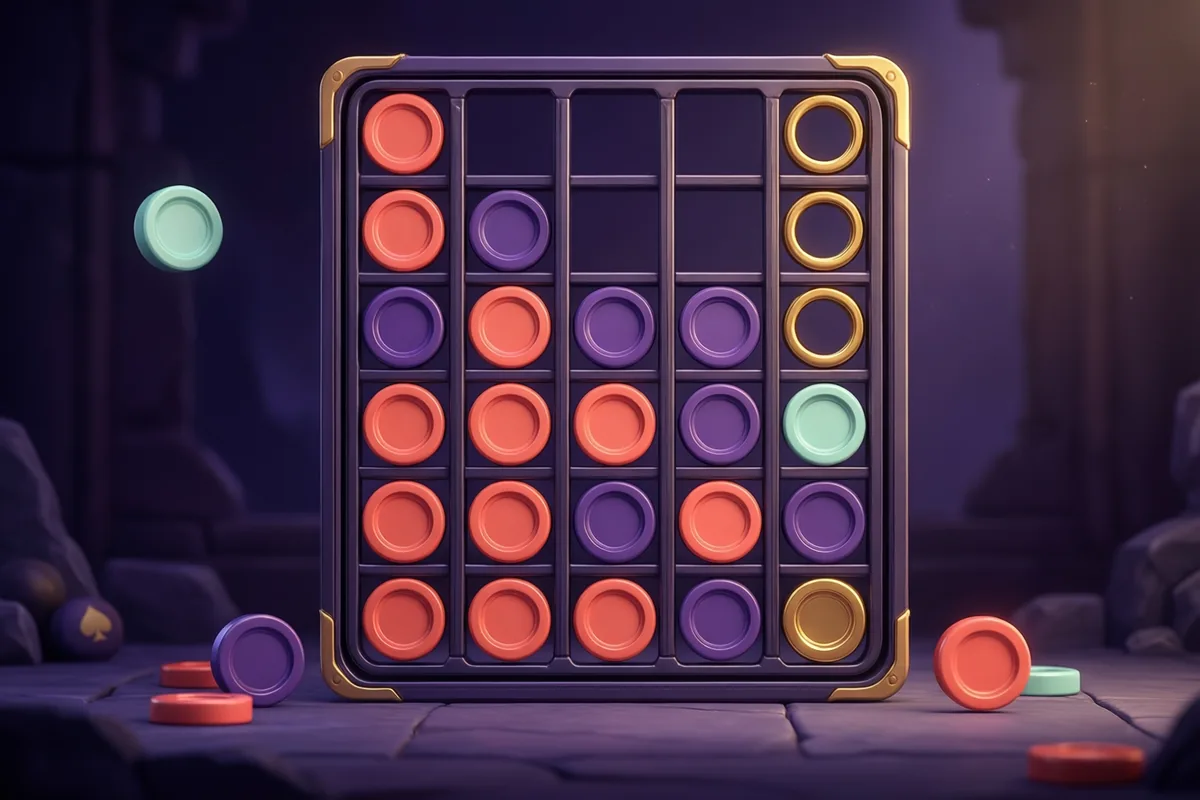
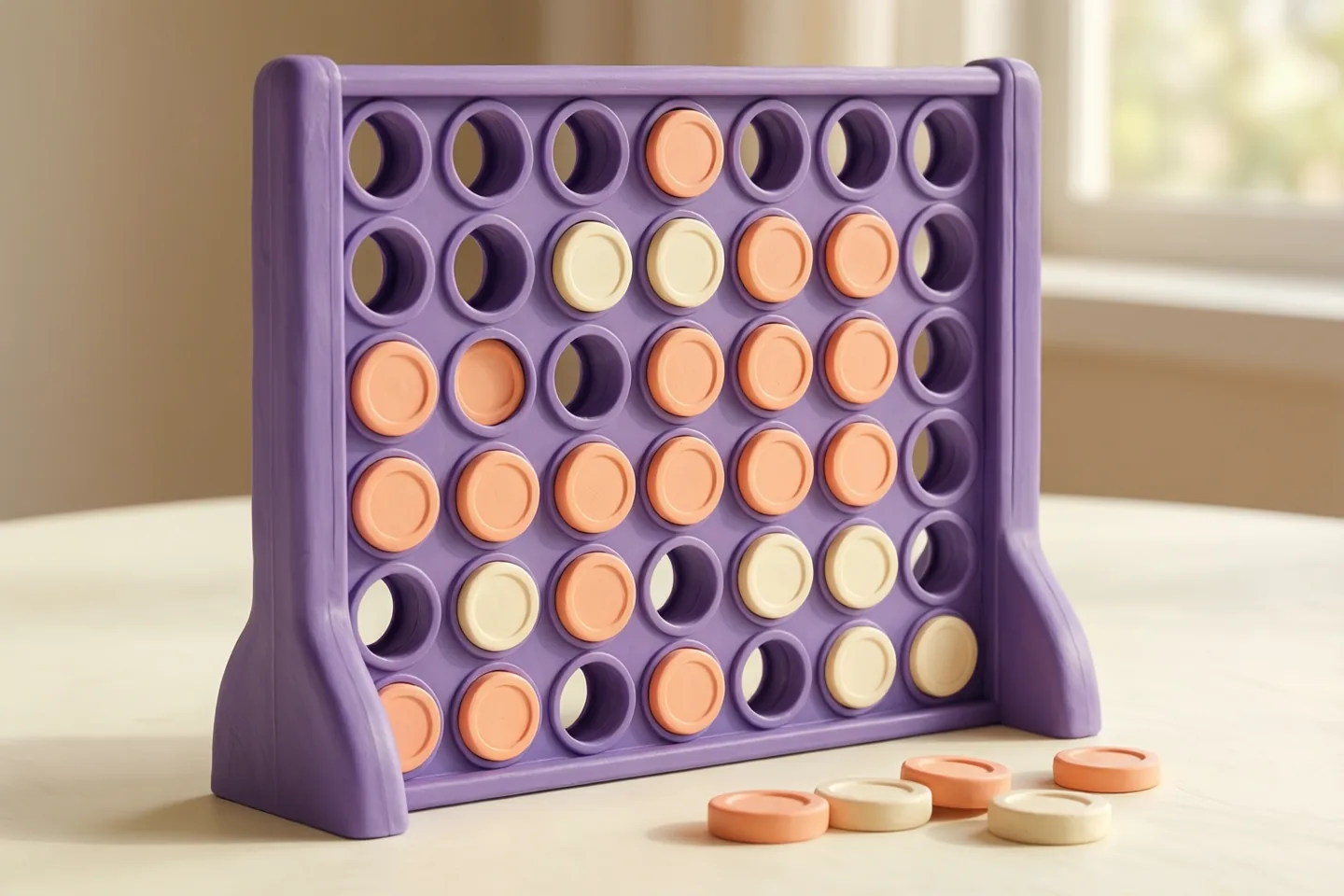
| Connect Four | A disc falls to the lowest empty cell in its column | A future winning square needs support underneath |
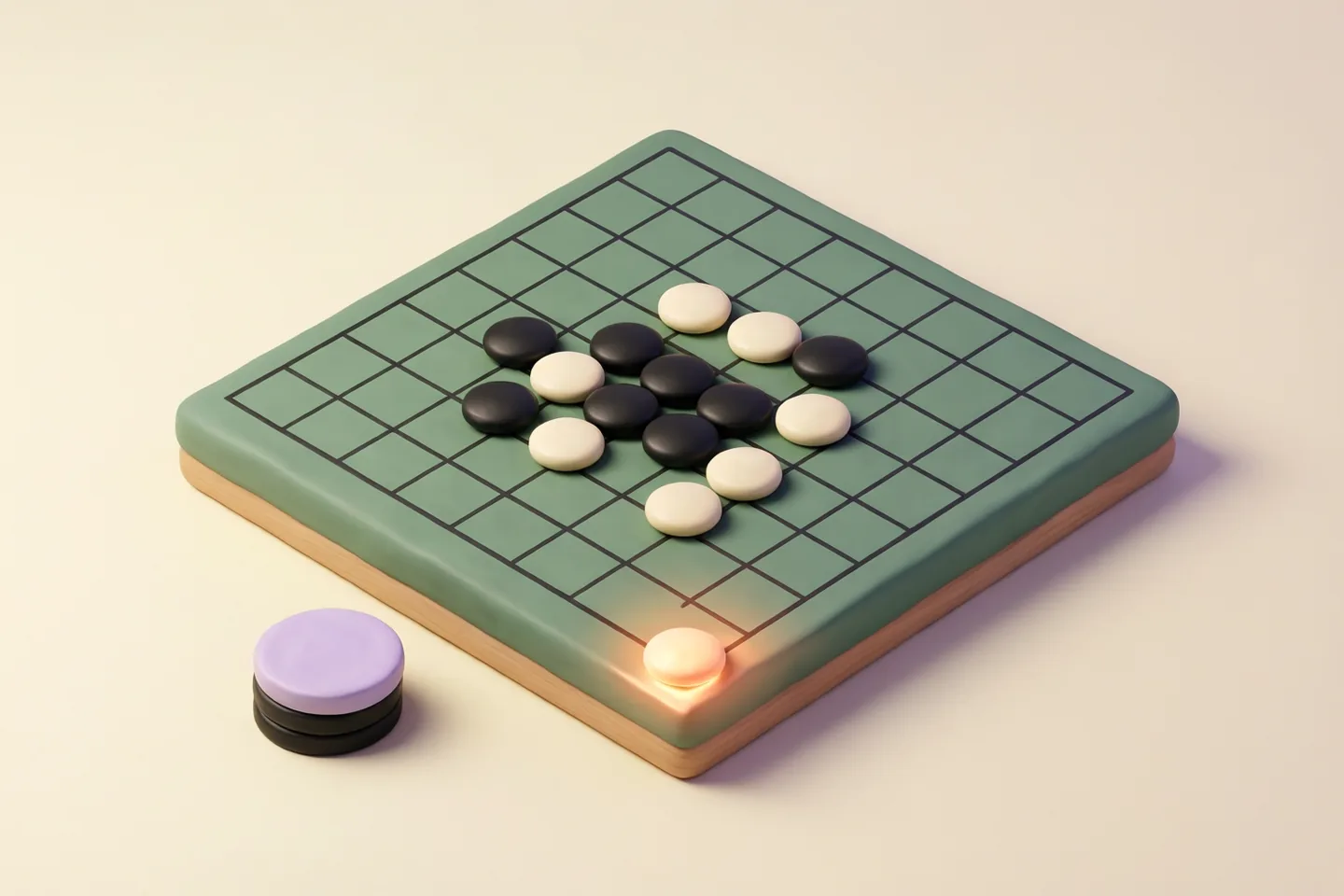
| Reversi | A placement must bracket opposing discs | An attractive empty square can be illegal |
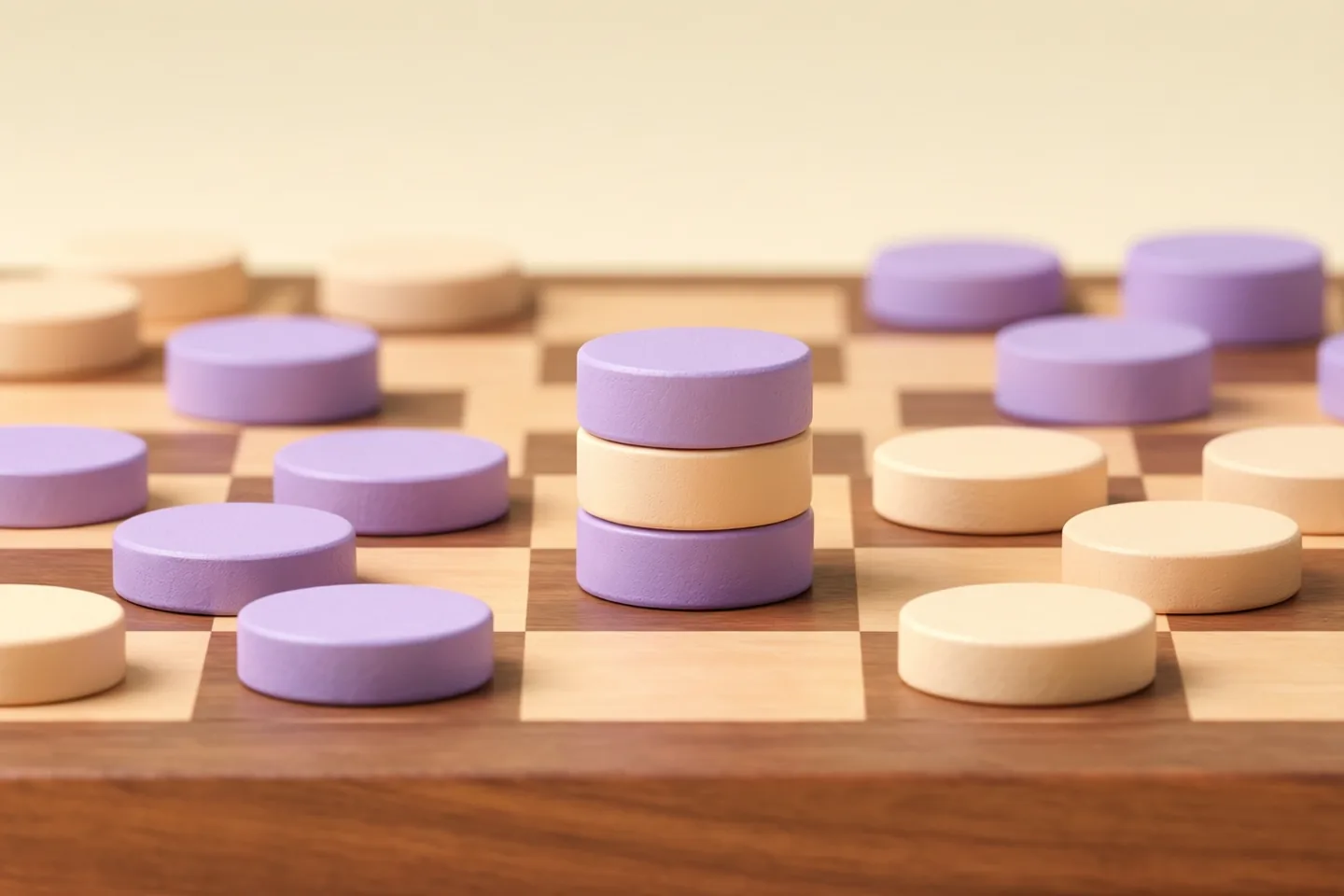
| Checkers | Captures are compulsory | An ordinary step is not legal while a jump exists |
List first, judge second
Each of these games removes options in its own way, so the set of legal moves changes more than beginners expect. Write down what you can actually play before deciding what looks strong.
An imagined reply that cannot be played is no defence at all.
Check whether the move ends the game
Ask whether you can finish the game on this move before you look for a strong-looking tactic.
Games that end the moment you connect
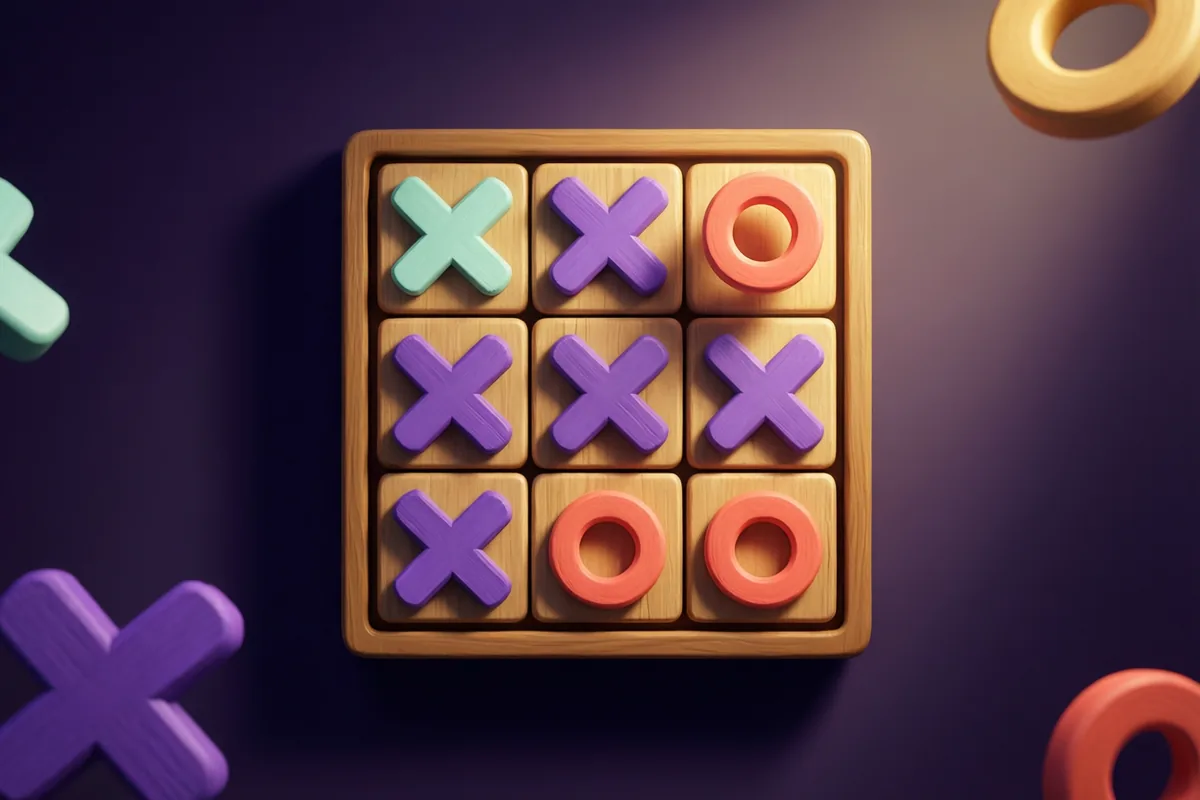
In Tic-Tac-Toe and Connect Four, completing your line ends the game at once. Take that win ahead of blocking a threat.
Games that end another way
Reversi carries on through a large midgame capture, because discs are counted at the finish. Checkers ends when one side has no pieces or no legal move.
Why the order matters
If both players have a winning move available, the player to move decides the result. Blocking first hands the game away.
Finishing beats improving
A move that ends the game outranks any move that improves your position. Check for one every turn, including turns where you feel behind.
Trace whose turn comes next
A completed move does not always hand play to the opponent. Check for extra turns and required continuation before calculating a reply.
| Game | Trigger | What follows |
|---|---|---|
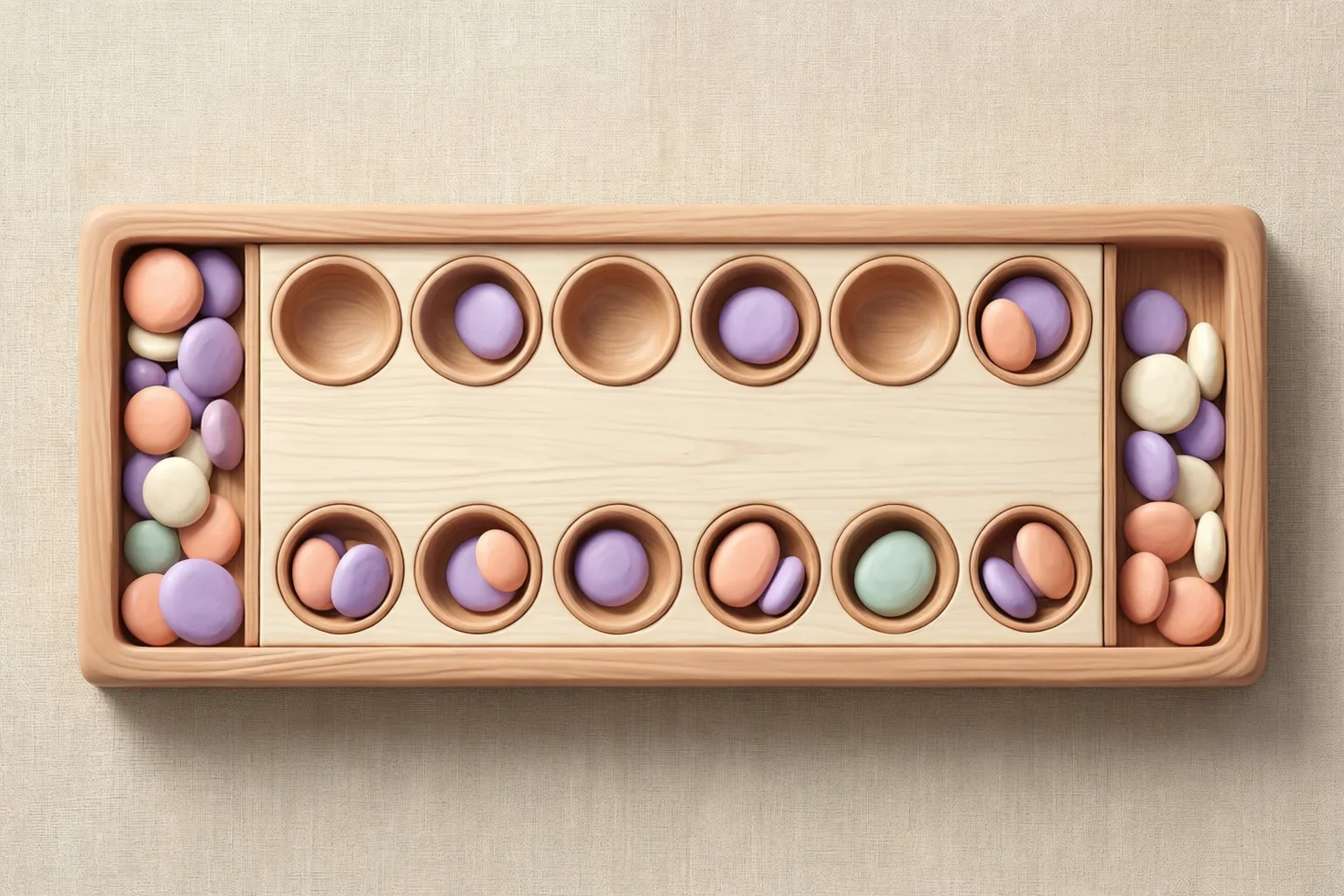
| Mancala | Last stone reaches your own store, with play continuing | Take another turn |
| Dots and Boxes | An edge completes a box | Keep drawing; one edge can claim two neighboring boxes |
| Checkers | Another jump is available after a capture | Continue with the same capturing piece |
In this English draughts edition, crowning ends the move even if the new king could jump backward. In Dots and Boxes, an interior edge that closes both neighboring boxes claims two points and keeps your turn. In Mancala, an empty side ends play with the final sweep.
Compare the opponent’s legal replies
Work through the position your move creates, including the opponent’s legal replies, before you call that move safe.
Reversi: a big capture can help the other player
A large early capture can widen the opponent’s choices, or open a route to a corner. Count their replies, not only your discs.
Connect Four: you may be building their support
Filling a low empty cell can supply the support for the opponent’s winning cell directly above it.
Checkers: a new king waits a turn
In this English draughts edition, a piece reaching the king row is crowned and its turn ends. It cannot jump backward until your next move.
Count replies, not only material
A move that wins a disc or a piece can still hand the opponent more choices. In a close position, the number of replies they have is often the better measure of the move.
Use a clock only when time is part of the game
The board games offer computer or same-device opponents; the Chess Clock is a separate timer for a board you supply. Adding time pressure changes how long you can inspect a position but does not alter the board game’s legal moves. Agree on starting time and increment before playing. For an untimed learning round, use local play to explain one proposed reply together instead of letting the clock cut the calculation short.
Compare a known move with a dice-dependent move
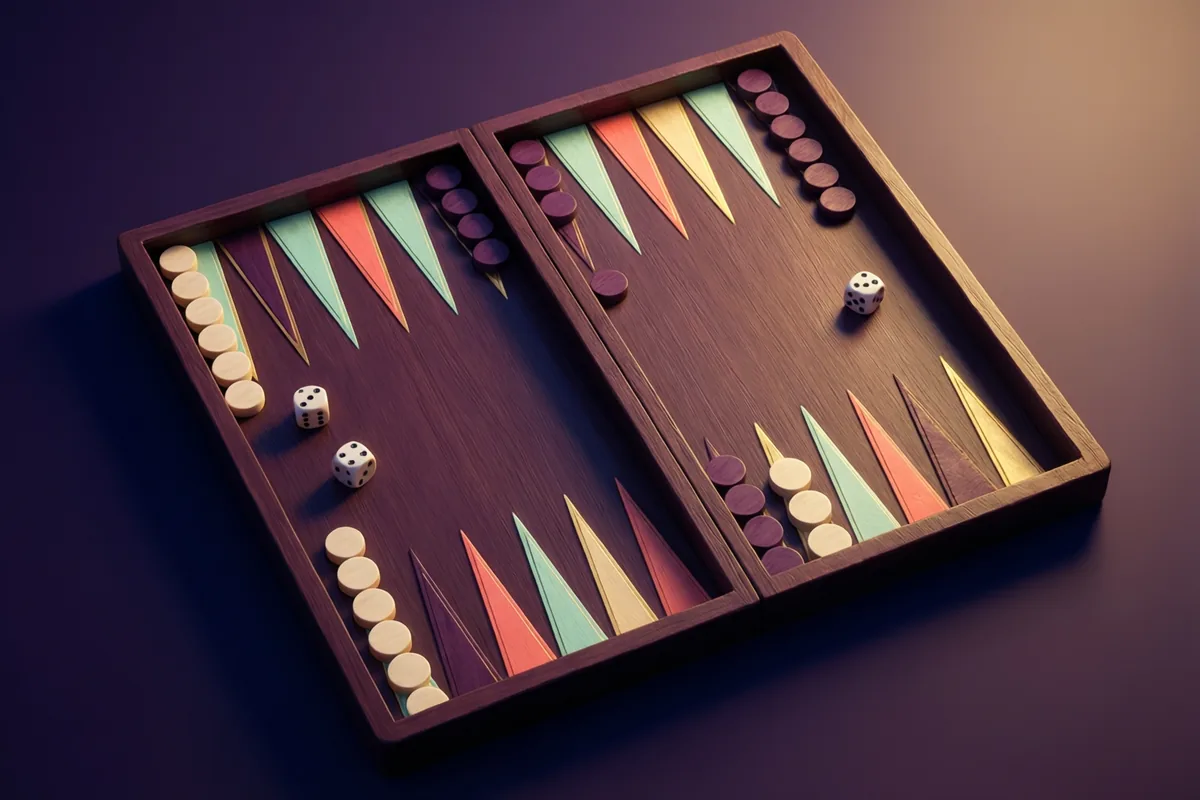
Chess lets you inspect every legal move from the current position. The board rejects a move that leaves your king in check and shows promotion choices when a pawn reaches the last rank. Backgammon changes the available moves with each roll. A checker on the bar must re-enter before the others move, and the legal choices account for using both dice when possible. In both games, inspect the next position before committing to a capture or hit.
Distinguish solo strategy from a shared board
Blackjack plays one hand against a dealer with pretend chips; it has no second human player or cash payout. Draggy Towers is a solo resource-matching defense game. A match can build a tower, while dragons advance after a turn unless a planning bonus is active. For a shared-device card game, 4 Colors lets you choose a computer opponent or another person. Check the opponent selector rather than assuming every strategy game supports the same player modes.
See how another turn changes a plan
Open Tic-Tac-Toe for a playable example from this collection, then continue with the maze game guide. Browse the board strategy games collection as more games are added to the public library.
Questions about board game strategy
How far ahead should a beginner try to think?
One full turn each way is enough to start, and it catches most avoidable losses. Choose your move, then list the replies the rules actually allow the opponent, then decide whether you still like the position. Depth beyond that is worth little while a one-move reply is still going unnoticed.
Which board game here is easiest to learn but still interesting?
Dots and Boxes. The only legal action is drawing a line between two dots, and the nine-box board finishes fast, yet chains and extra turns give it real depth. Connect Four is a close second, because gravity does half the rule explaining for you.
Why do I lose games I felt I was winning?
Usually because you counted material instead of counting what the opponent can play next. In Reversi a big early disc lead often means the other player has more good replies waiting. In Checkers a piece you pushed forward alone becomes the piece a forced capture takes.
Is playing the computer worth it, or should I only play people?
The computer is good for practising one specific decision, since it replies quickly and never gets bored. These opponents search several moves ahead but are not perfect solvers, so beating one is not proof of mastery. Play a person on the same device when you want to talk through why a move was chosen.
How do I improve without memorising openings?
Learn what each board does to your legal moves, because that is what the openings encode anyway. Discs fall to the lowest empty square, captures are compulsory in Checkers, and a Reversi placement has to bracket enemy discs. Once those restrictions are second nature, the first few moves stop needing memory.
These tips refer to the editions in our library. Game controls and behavior can differ elsewhere. Spotted a problem?