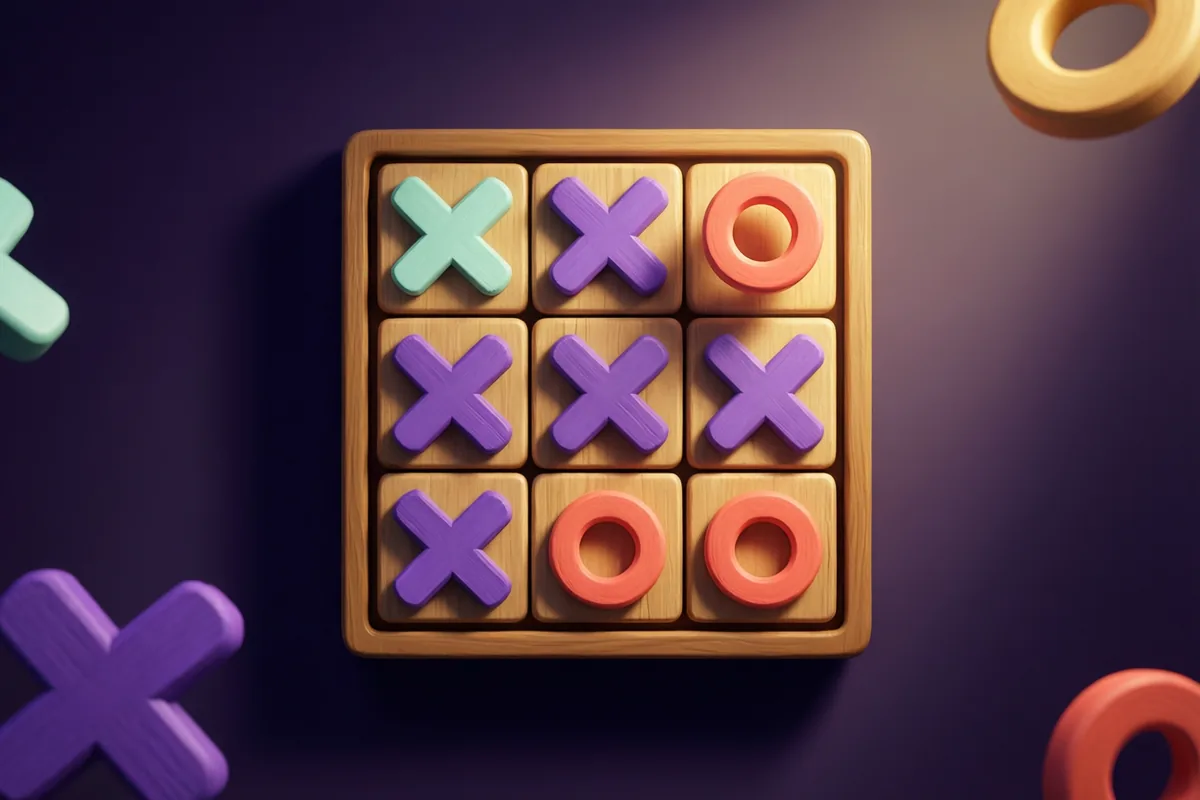
Tic-Tac-ToeStrategy·Free to play
 Free-Games.toSign inSurprise me
Play Chess, Backgammon and other board games against the computer or a friend on one device. Blackjack offers a solo card game, while Draggy Towers combines matching with castle defense. Each page explains its player modes. The Chess Clock is a separate timer.
5 games · Free to play
 NEW GAME
 NEW GAME
 NEW GAME
 NEW GAME
No games matched that search. Try a game name or browse a category. Explore all games →
These board games offer a computer opponent or turns on one device. The chess clock is a separate timing tool for your own chessboard; it does not play chess or match you with an online opponent.
| Game | Choose it to… | What changes your next move |
|---|---|---|
| Tic-Tac-Toe | Try another available format | Make a line of three against the computer or a friend on the same device. |
| Connect Four | Try another available format | Drop discs into a seven-column board and make a line of four before your opponent. |
| Reversi | Try another available format | Outflank opposing discs and finish with the most discs on an eight-by-eight board. |
Checkers makes a capture compulsory when one is available. Mancala can reward a landing with another turn. Dots and Boxes can let one player keep drawing after completing a box. Before comparing distant plans, check whether the next action changes who moves again.
The board game strategy guide compares move rules and replies across the board collection. Begin with compulsory actions and extra turns before looking further ahead.
Six entries make up the board strategy collection: Chess, Reversi, Connect Four, Backgammon, Tic-Tac-Toe and a Chess Clock. Four of them offer a computer opponent or two players sharing one device, which is what makes this the section to open when someone is sitting next to you. None of them connects you to a stranger online, and the Chess Clock is a timer for a real board rather than a game in itself. Start with Chess if you want the full ruleset, or Connect Four if you want a game that finishes in three minutes. The strategy games guide covers the turns that do not pass play to your opponent.
Chess, Reversi, Connect Four and Tic-Tac-Toe all carry an opponent selector at the top of the board. Choose the computer for a solo game, or choose two players and pass the device between turns. Backgammon works the same way, with Violet moving from point 24 towards point 1 and Orange going the other direction.
There is no online matchmaking here and no way to invite a friend on another device. Tic-Tac-Toe says so plainly on its own page, and the same applies to the rest of the collection. If you want a game with someone far away, use these boards as a reference and play elsewhere.
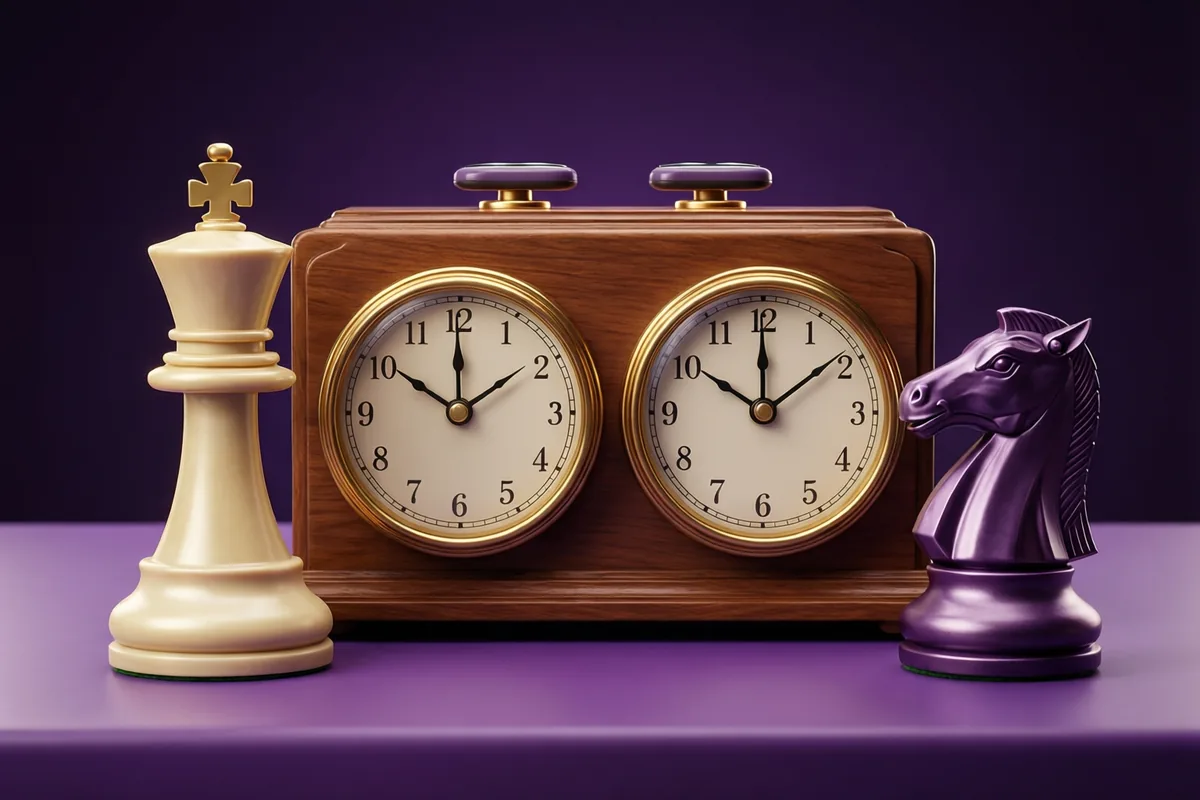
The Chess Clock gives you two countdowns, a starting number of minutes and an increment in seconds added after each completed turn. It does not move pieces, provide an opponent or know the rules of chess. Keep the tab visible while it runs, because background timing and sound behave differently on different devices.
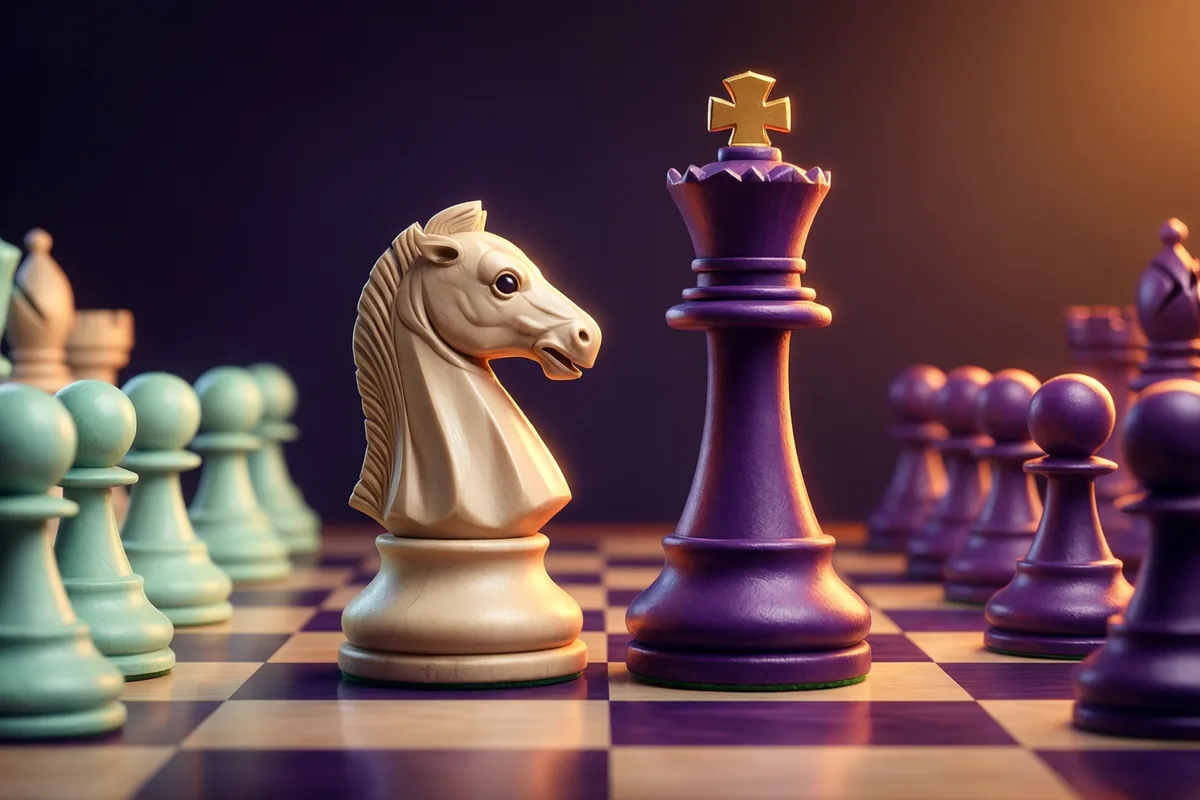
Chess ends in checkmate, and this edition supports castling, en passant and promotion to a queen, rook, bishop or knight. It also recognises the full set of draws: stalemate, insufficient material, threefold repetition and the fifty-move rule. Against the computer, Undo takes back a complete pair of turns rather than a single move.
Reversi never ends early. If one player has no legal placement their turn passes automatically, and the game finishes only when neither side can move, even with empty squares left on the board. Whoever has more discs then wins, and equal totals are a draw.
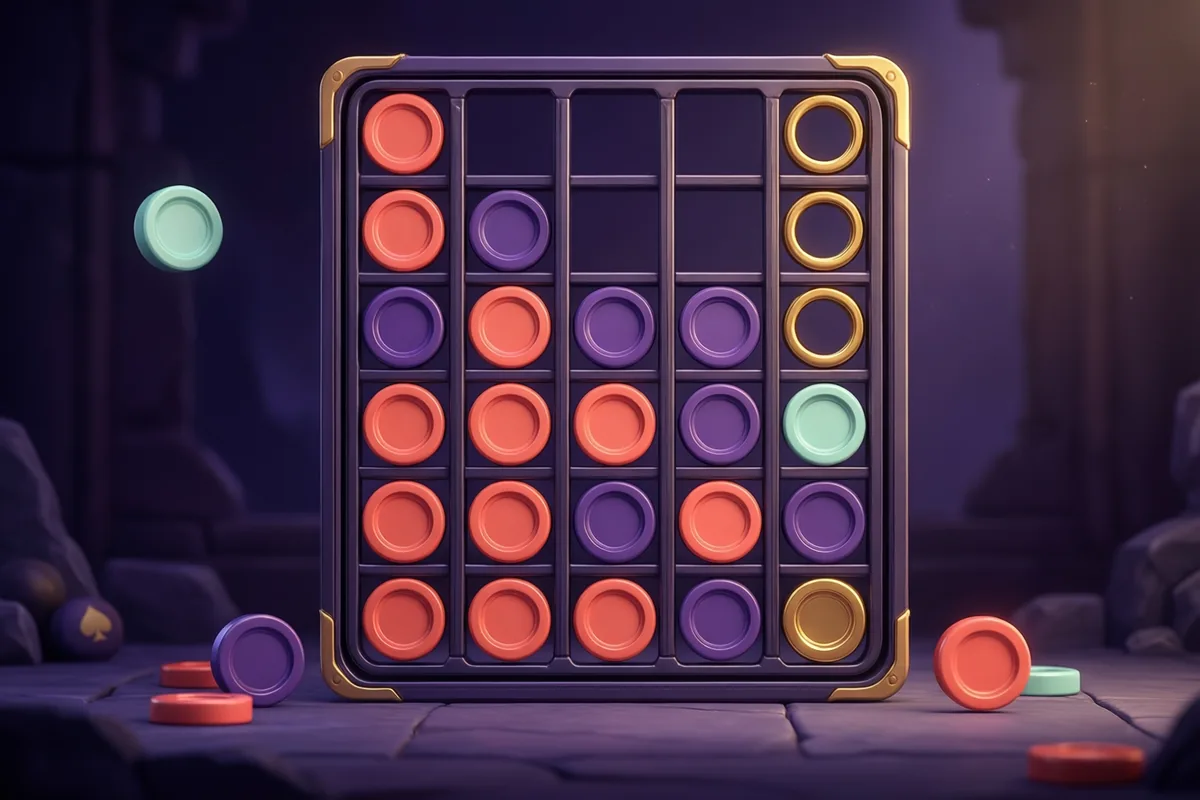
Connect Four ends the moment four discs line up in a row, column or diagonal, and a full board with no line is a draw. Backgammon ends when one player bears off all fifteen checkers, using an exact roll or a larger roll for the furthest checker. Doubles give four moves rather than two, and this edition plays a single game without a doubling cube.
Every disc you drop hands your opponent the square directly on top of it. That is why a threat can be worse than useless if completing it builds a winning row for the other side. The Connect Four strategy guide works through the columns worth avoiding.
Every legal move brackets a line of opposing discs and flips all of them, including diagonals, so a large lead in the middlegame can vanish in two moves. A disc in a corner is the exception, because there is no square beyond it to bracket from, and that is why corners decide close games.
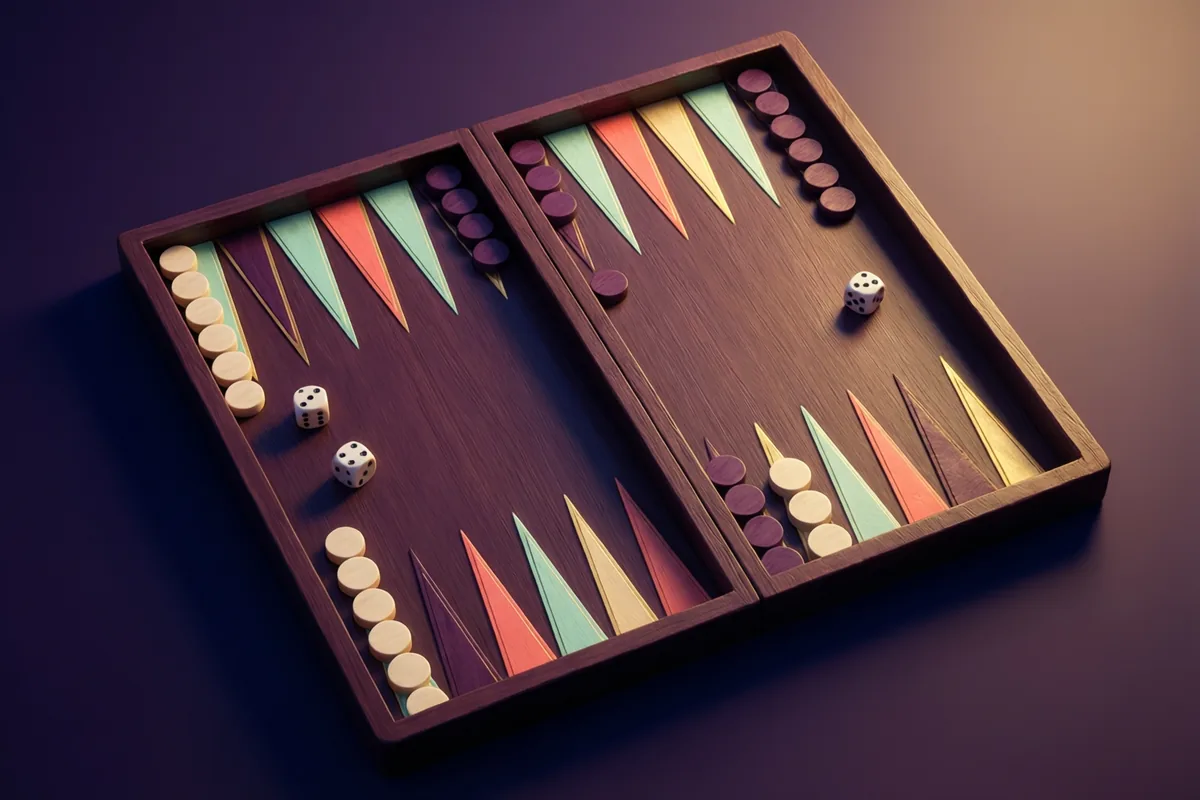
A point holding two of your checkers cannot be landed on, and landing on a lone opposing checker sends it to the bar. A checker on the bar must re-enter before that player may move anything else, so a single hit can cost several turns. Use both dice where the position allows it, and the higher die when only one can be played.
| Game or tool | Players supported | Computer opponent | How it ends |
|---|---|---|---|
| Chess | One or two on the same device | Yes, a casual opponent | Checkmate, or one of four draw conditions |
| Reversi | One or two on the same device | Yes | Neither side can move; most discs wins |
| Connect Four | One or two on the same device | Yes | A line of four, or a full board draw |
| Backgammon | Two, taking turns on one device | No | One player bears off all fifteen checkers |
| Tic-Tac-Toe | One or two on the same device | Yes, playing perfect defence | Three in a line, or a full board draw |
| Chess Clock | Two, using your own board | No; it is a timer | When a countdown reaches zero, or you reset it |
No. Every board here offers the built-in computer opponent or two players taking turns on the same screen. There is no account, no matchmaking and no way to send an invitation.
No, and it is worth being clear about it. The clock provides two configurable countdowns for a physical board sitting in front of you. For a game with pieces and rules, open the Chess board instead.
Yes, along with promotion, where you choose a queen, rook, bishop or knight. Moves that would leave your own king in check are refused, and Undo takes back a full pair of turns when you are playing the computer.
No. This is a single game without the cube, so the stakes never change mid-match. Doubles still give you four moves, and bearing off needs an exact roll or a larger roll for your furthest checker.
Your turn passes automatically and the board announces it. Play returns to you as soon as a legal placement exists again. The game only finishes when neither player can move.
The games in this table offer a computer opponent and a local two-player mode. Local play means taking turns on the same screen; it does not connect separate devices.
| Game | Computer | Two players |
|---|---|---|
| Tic-Tac-Toe | Available | One shared device |
| Connect Four | Available | One shared device |
| Reversi | Available | One shared device |
| Chess | Available | One shared device |
| Backgammon | Available | One shared device |
The Chess Clock is a separate timer for your own board. It does not include a chess game or opponent. Read the increment and setup guide before starting.
Gravity, forced captures, extra turns and legal replies change what “think ahead” means on each board.
board game strategy guideShortcuts