Short-break games: find a round that fits.
Pop-A-Shot has a sixty-second active round and Night Driver has ninety seconds. Darts ends after nine throws; Penalty Shootout after five kicks. Fixed attempt counts do not guarantee a visit length, and pausing adds time around an active timer.
For a round with an active timer
Choose Pop-A-Shot or Night Driver when you want a round with a built-in active timer.
| Game | Round limit | Objective |
|---|---|---|
| Pop-A-Shot | 60 seconds | Score baskets |
| Night Driver | 90 seconds | Cover distance |
These are engine limits, not estimates of visit length. Opening the page, reading controls and pausing add time around the round. Decide whether your break includes a replay before starting another attempt.
For a fixed set of attempts
Darts and Penalty Shootout give you a fixed number of attempts, rather than a guaranteed session duration.
- Darts: nine throws, timed against the moving crosshair.
- Penalty Shootout: five kicks, with separate aiming and kick-timing actions.
The limits tell you how many decisions remain. If you must stop at a particular time, use your own clock: different players can take different amounts of time between attempts.
For an untimed thinking break
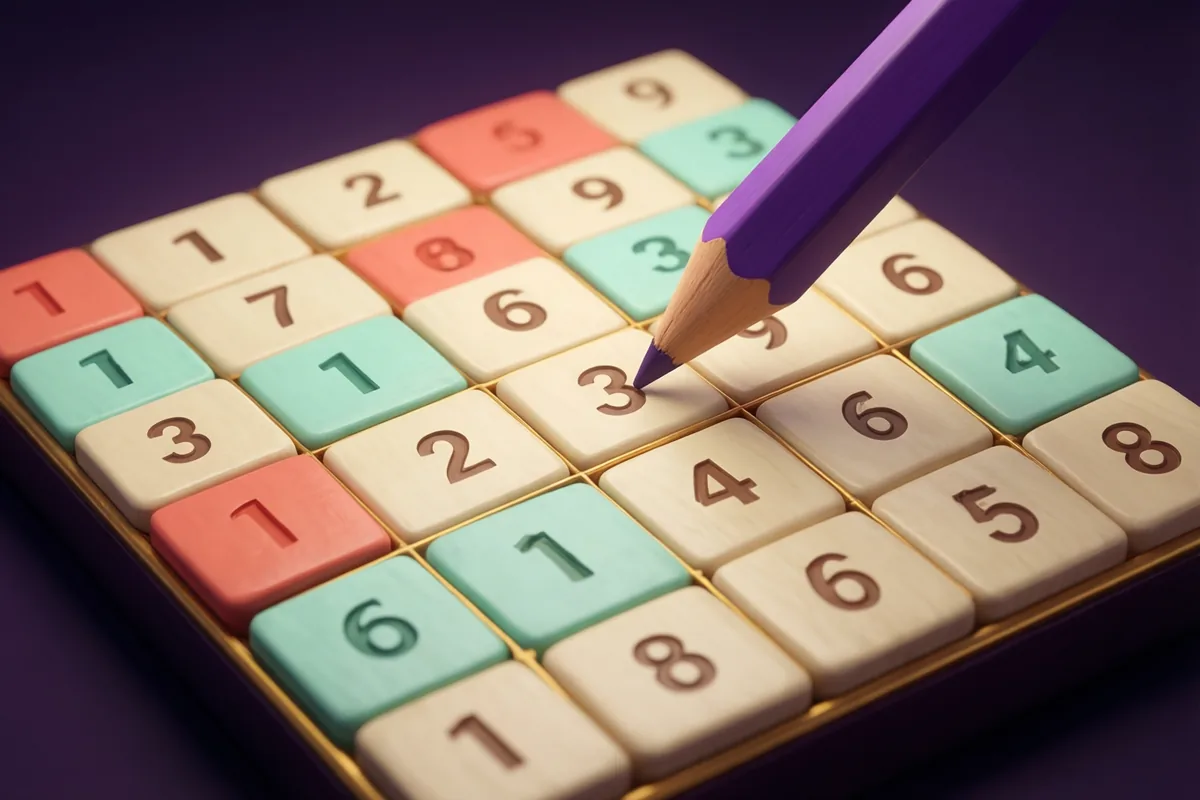
A Sudoku cell or a 2048 position can wait while you inspect it, but neither game guarantees a short completed puzzle. Choose a task such as resolving one Sudoku single or comparing one 2048 move with Undo. Closing a tab is different from pausing a board; Favorites and Recently Played save links, not a promise that every unfinished game will resume. Keep the page open if you intend to return to the current position.
For someone beside you
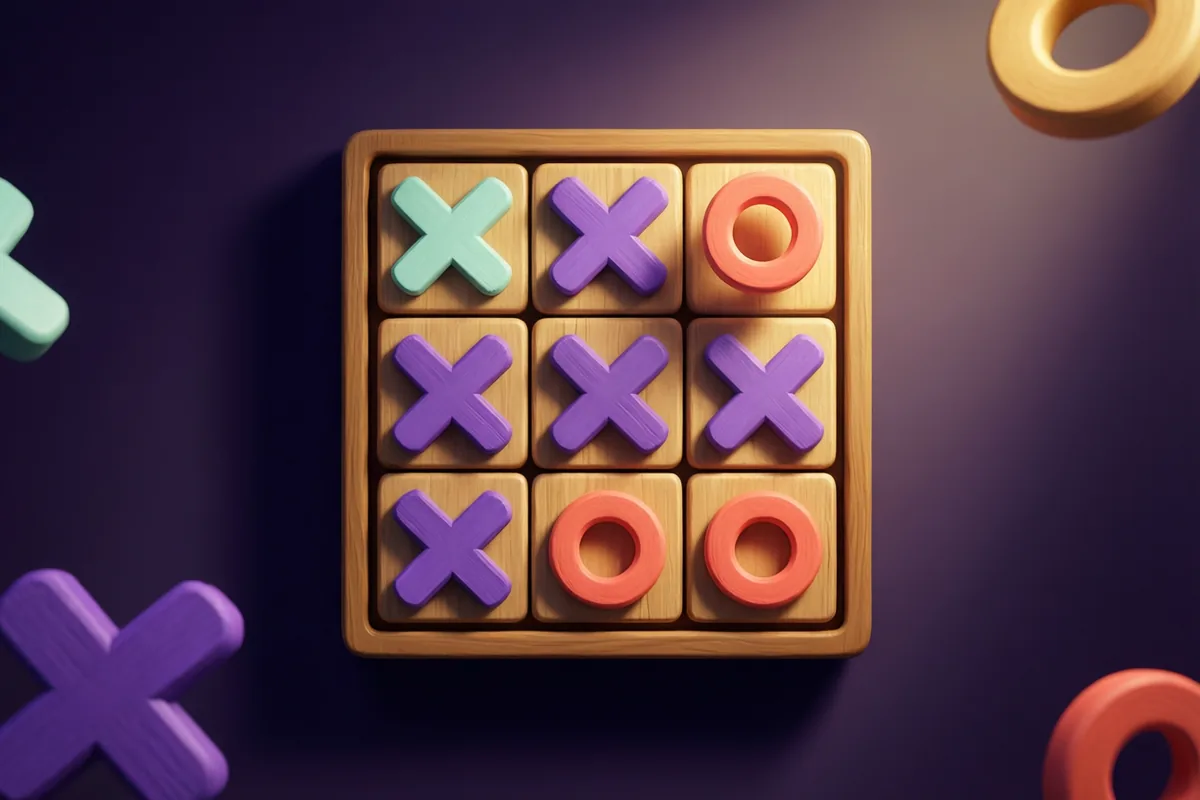
For two people on one device, Tic-Tac-Toe and Dots and Boxes both cap the number of actions in a game.
| Game | Board | Actions to finish |
|---|---|---|
| Tic-Tac-Toe | Nine cells | At most nine placements |
| Dots and Boxes | A four-by-four dot grid | Twenty-four edges, completing nine boxes |
Counting actions, not minutes
Nine placements and twenty-four edges are hard limits on the game, not on the conversation around it. Use them to choose a game, then use your own clock for the break.
Both games end on their own
Neither Tic-Tac-Toe nor Dots and Boxes can run long, because both run out of squares or edges. That makes them easy to fit around something else.
These are counts of game actions, not minutes. Dots and Boxes gives an extra turn whenever a box is claimed, so the order of the edges varies between games.
Choose a stopping rule for endless games
Endless games need a stopping rule you choose yourself, because nothing in the game ends the session for you.
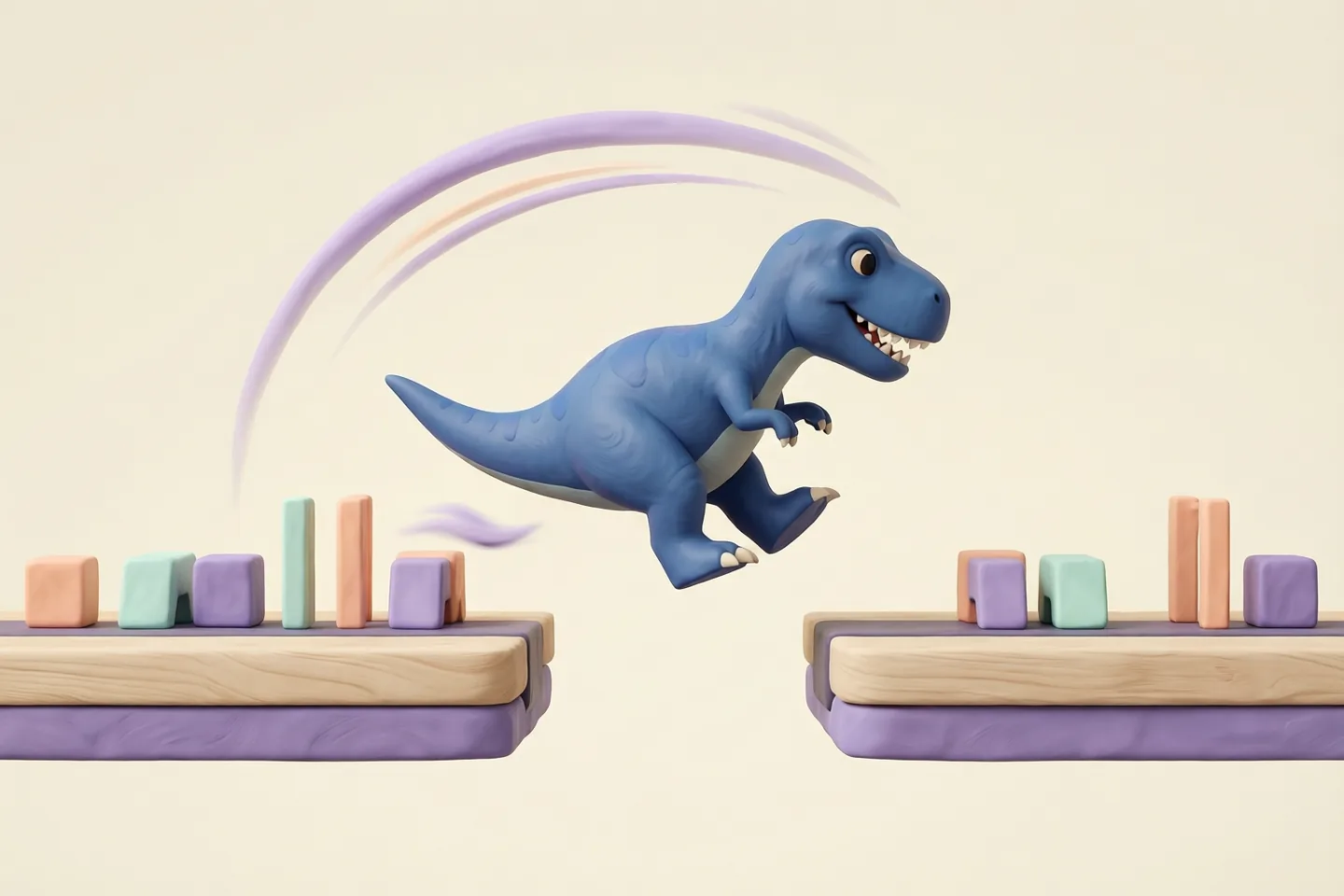
Snake and Dinosaur Game run until a collision
An improving run lasts longer than an early one, which is exactly what makes them awkward for a fixed break.
Pick one life, or one reading on your own clock
Decide before you start. Either rule turns an endless game into a bounded one.
Mini Putt is bounded already
It asks you to complete nine holes, so a small-looking course is still nine separate stages.
Decide the stopping rule first
A rule chosen before you start is easy to keep. A rule chosen in the middle of a good run almost never is.
Or choose a game that ends itself
If you would rather not police your own stopping point, pick a format with a built-in end: a nine-hole course, a fixed set of attempts, or a timed round.
An endless game has no natural pause
Closing the tab ends the run rather than saving it. If you want to come back to a position, choose a game that keeps one rather than a score.
The full library remains the place to browse every title. Use this guide when the end of the round matters more than the genre.
Choose a round with a clear endpoint
Open Tic-Tac-Toe for a playable example from this collection, then continue with the Connect Four strategy guide. Browse the running games collection as more games are added to the public library.
Questions about short-break games
What can I play while waiting for something else to finish?
Pick a game with a built-in stopping point rather than an endless one. Pop-A-Shot runs sixty seconds of active play and Night Driver ninety, while Darts gives nine throws and Penalty Shootout five kicks. Those limits end the round for you, which an endless runner will never do.
How do I actually stop after one round?
Choose the game by its ending before you start, and decide in advance whether your break includes a replay. Games that finish on a fixed number of attempts make this easy, because the decision to continue is a separate, obvious one. Endless games need a rule you set yourself, since nothing in them ends the session.
Will an unfinished puzzle still be there tomorrow?
No. Closing the tab is not the same as pausing, and Favourites and Recently Played save links to games rather than positions. If you want to come back to the exact board, keep the page open.
Is one long game better than several short ones on a break?
Several short ones, if you need to stop at a set time. A single long game leaves you deciding to abandon a position, which is the hardest moment to walk away from. A round with a built-in ending hands you a natural stopping point instead.
These tips refer to the editions in our library. Game controls and behavior can differ elsewhere. Spotted a problem?