Maze games: plan your route.
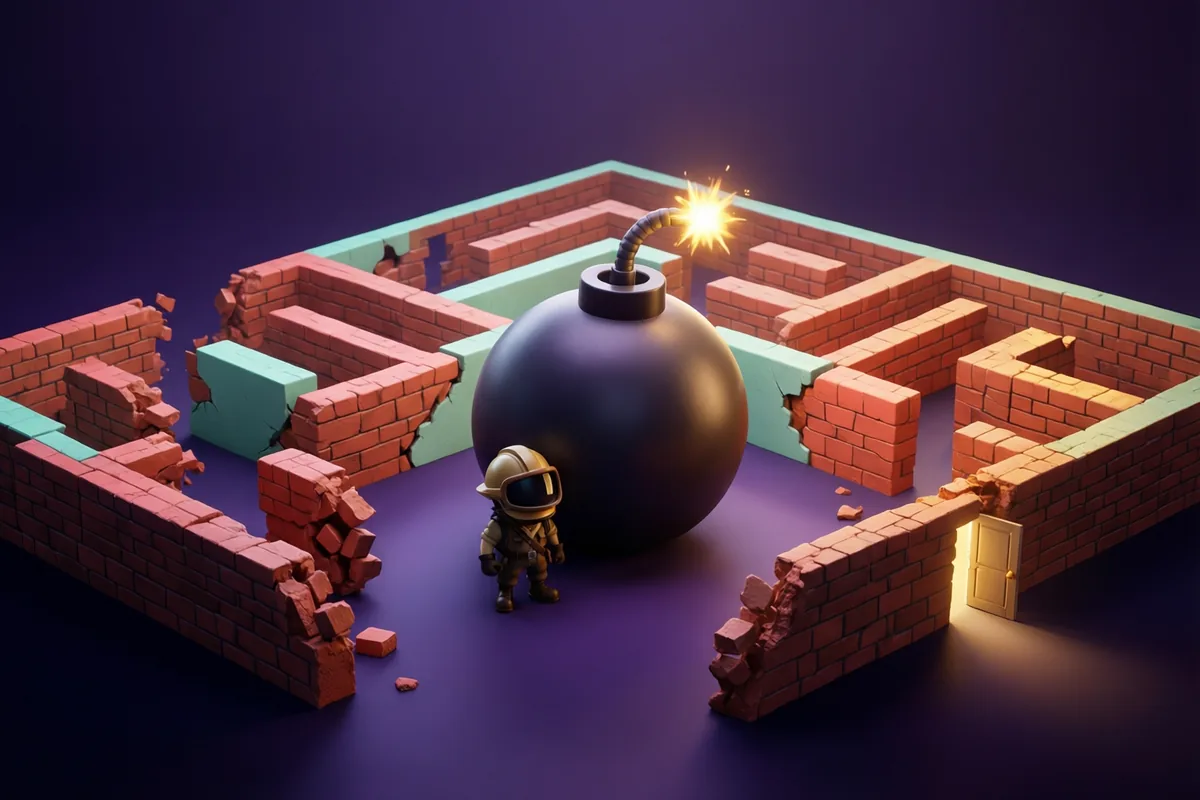
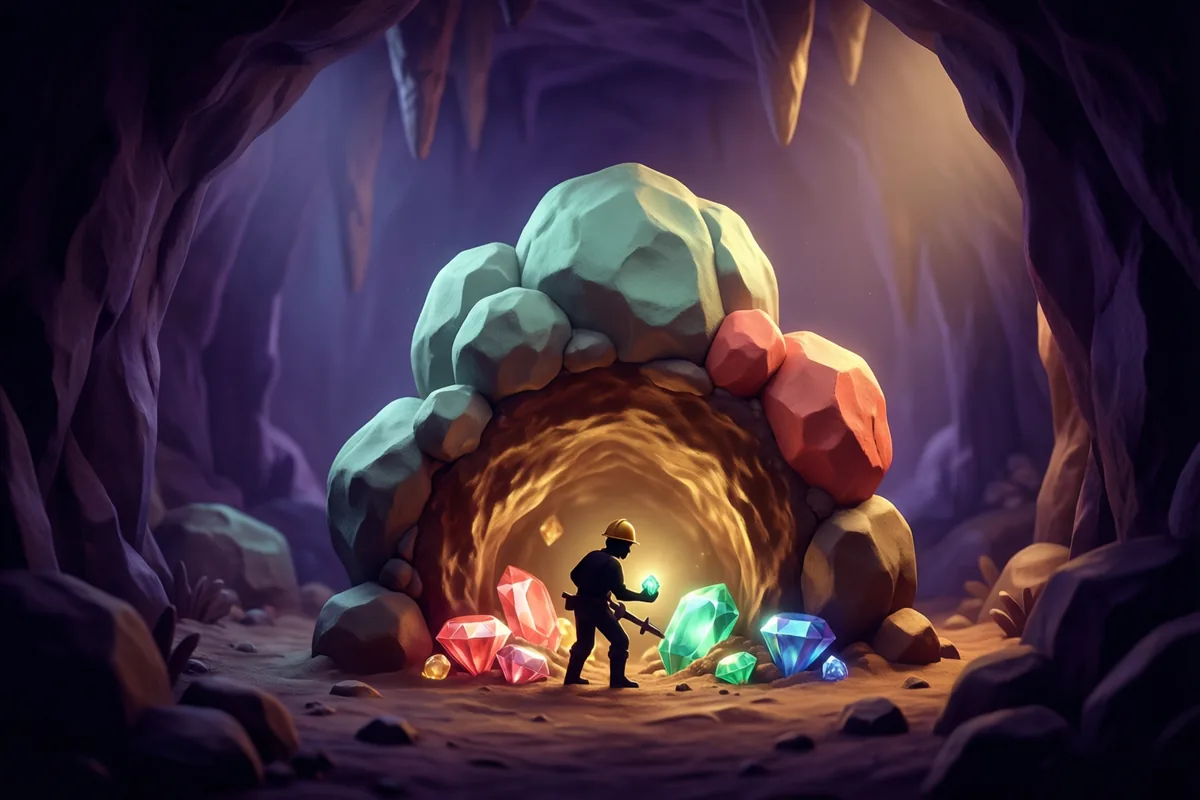
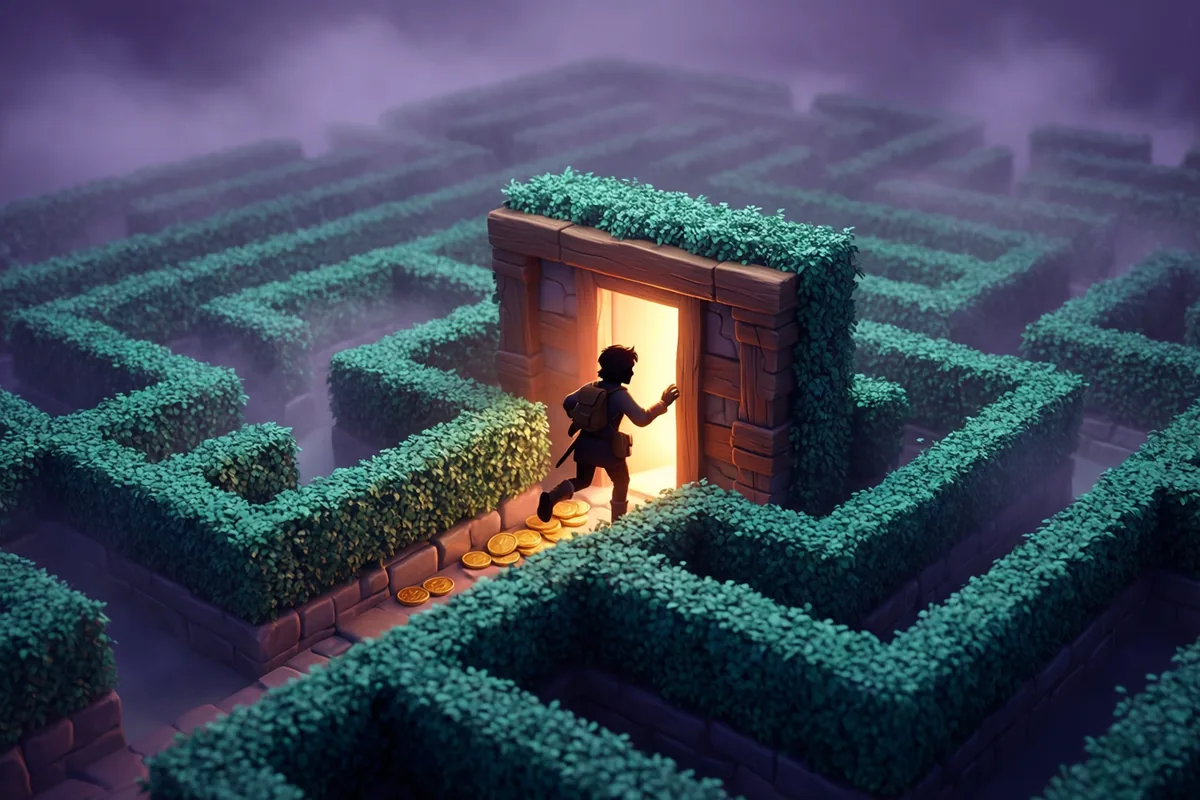
Plan a retreat outside the blast line in Bomberman and check boulder supports before digging in Boulder Dash. In Maze Escape, a coin adds three seconds, so compare that gain with the time spent on the detour.
Identify what makes the route unsafe
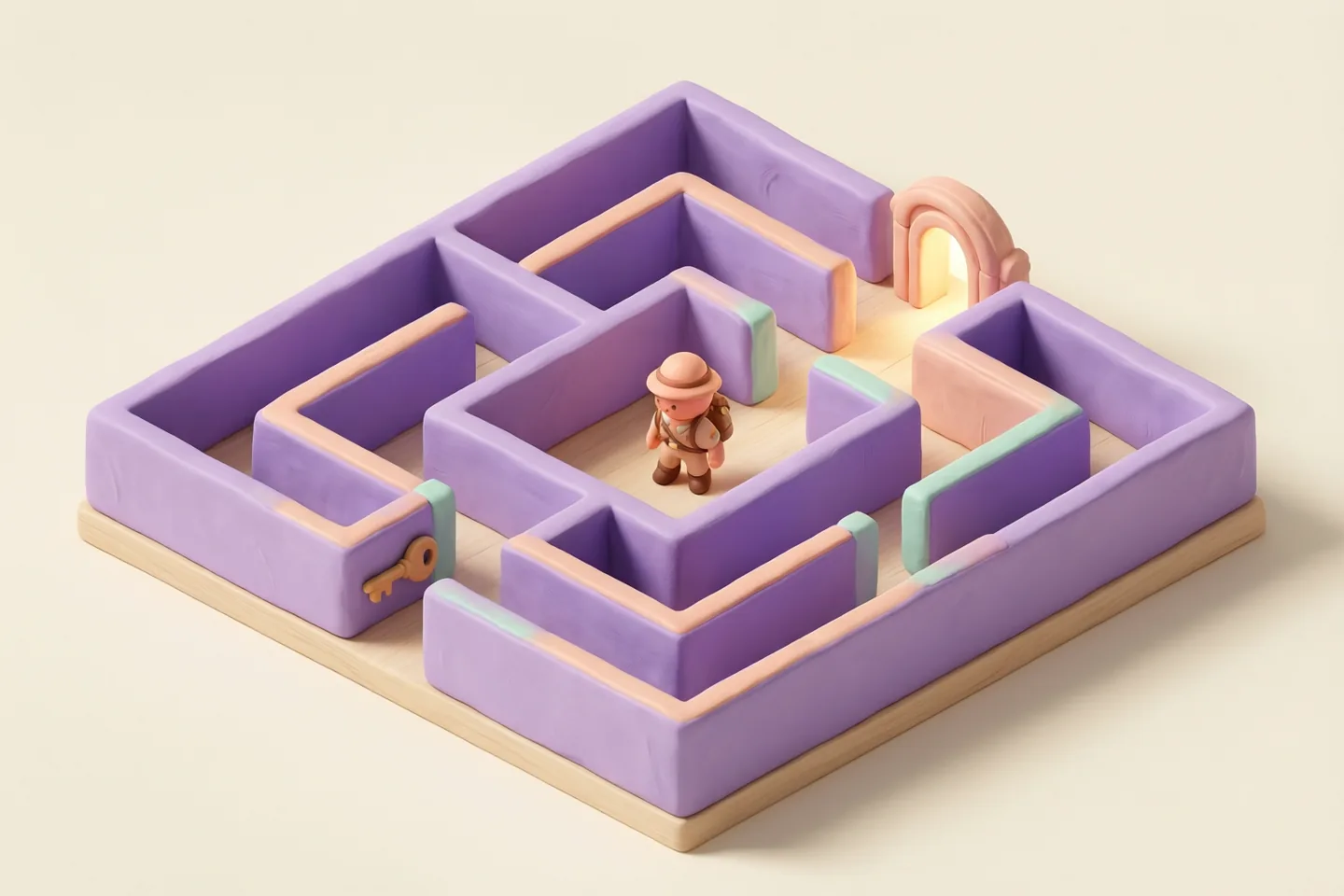
Ask what can change behind you before you enter a corridor, because in these four mazes the walls are not the only hazard.
| Game | What changes | The plan it breaks |
|---|---|---|
| Pac-Man | Ghosts change which corridors are safe | A memorised loop |
| Bomberman | Blasts remove bricks and open new passages | A fixed retreat square |
| Boulder Dash | Digging removes support and boulders fall | A route under loose rock |
| Maze Escape | A countdown runs and your view is limited | A slow, complete search |
The map is only half the picture
Open squares tell you where you may walk, not where it is safe to walk. Add the current position of every ghost, bomb and loose boulder before you choose a corridor.
Ask what changes, not just what is open
Each of these mazes has one thing that moves: ghosts, bricks, boulders or the clock. Naming it before you set off tells you what to watch.
A map of open squares does not describe a moving enemy, an armed bomb or a rock about to fall.
Plan a retreat before placing a bomb
Choose your retreat square before you drop a Bomberman bomb, not after.
- Find a turn behind a solid wall that you can reach in time.
- Check that no enemy, brick or second bomb blocks that retreat.
- Drop the bomb and move to the chosen square.
- Wait for the blast before using the passage it opens.
Chain reactions are part of the plan
A blast can set off another bomb, which carries the danger further than the first bomb alone. Count both when you pick your retreat square.
A blast line follows the corridor
Because blasts travel horizontally and vertically until a solid wall stops them, standing further along the same open corridor is not safety. Turn a corner behind a wall instead.
An opened passage is not yet a route
Removing a brick shows you a way through, but the enemies and bombs around it may not allow you to use it yet. Reassess after the blast clears.
Blasts run horizontally and vertically, stop at solid walls, and can set off another bomb. A range upgrade makes standing further along the same corridor less safe, not more.
Treat a detour as a costed decision
A Maze Escape coin adds three seconds to the clock, so the detour only pays when it costs less than three seconds.
Count the trip both ways
The cost is reaching the coin and returning to a useful route. A coin already on your path to the exit is nearly free; one down a dead-end arm rarely is.
The glowing exit is a destination, not a route
A straight line toward it can run through walls. Treat it as the direction to head, then find the corridor that gets there.
Remember which branch you tried
At a junction, note the branch you already checked. The next visit then adds information instead of repeating it.
Time is the only currency here
Maze Escape gives you a countdown rather than lives, so every decision is priced in seconds. A three-second coin is worth taking only when the round trip costs less than that.
Junctions are where information is gained
A junction you visit twice without learning anything is time lost. Note the branch you took so the return trip narrows the search.
Recheck a route after the map changes
In Boulder Dash, removing dirt beneath a boulder can let it fall; pushing a boulder sideways can also obstruct a passage you wanted to use later. Collect the gem quota before expecting the exit to open. In Pac-Man, reassess an intersection as ghosts approach rather than assuming an earlier safe loop remains safe. A memorized route is a starting plan. Its value depends on the current enemies, supports and open passages in this edition.
Compare fixed walls with a changing cave
Open Boulder Dash for a playable example from this collection, then continue with the 2048 corner strategy guide. Browse the maze games collection as more games are added to the public library.
Questions about maze games
Should I memorise a maze route or read it as I go?
Read it as you go, and use a memorised route only as a starting plan. Ghosts move, blasts open new passages and boulders fall, so a corridor that was safe two seconds ago may not be now. The map of open squares is the least changeable part of these games.
Is it better to collect items early or clear the route first?
Decide by what the collection costs you. A Maze Escape coin adds three seconds to the clock, so a detour is worth it only if it takes less than three seconds. A gem that sits under loose rock in Boulder Dash costs you a support you may need later.
What should I do when an enemy blocks the only way out?
Back off before the corridor closes rather than trying to squeeze past. A single-exit corridor with something coming down it has no good answer, which is why the decision is made at the entrance. Choose your retreat square before entering, and in Bomberman choose it before dropping the bomb.
Do maze games need fast reactions or good planning?
Planning, with just enough reaction to abandon a plan. Every hazard in these mazes is visible or predictable before it reaches you, so most deaths come from entering a space with no exit. Speed helps you leave; it does not help you choose.
These tips refer to the editions in our library. Game controls and behavior can differ elsewhere. Spotted a problem?