Pop-A-ShotSports·Free to play
 Free-Games.toSign inSurprise me
Play compact browser sports games built around aiming, timing and positioning. Mini Putt has nine holes, Darts gives you nine throws, and Air Hockey puts you against a computer opponent. Check each game’s controls before starting.
8 games · Free to play
No games matched that search. Try a game name or browse a category. Explore all games →
Aiming a putt, tracking a puck and releasing a dart have different feedback. Choose a game where you can tell whether direction, power or timing changed the result.
| Game | Choose it to… | What changes your next move |
|---|---|---|
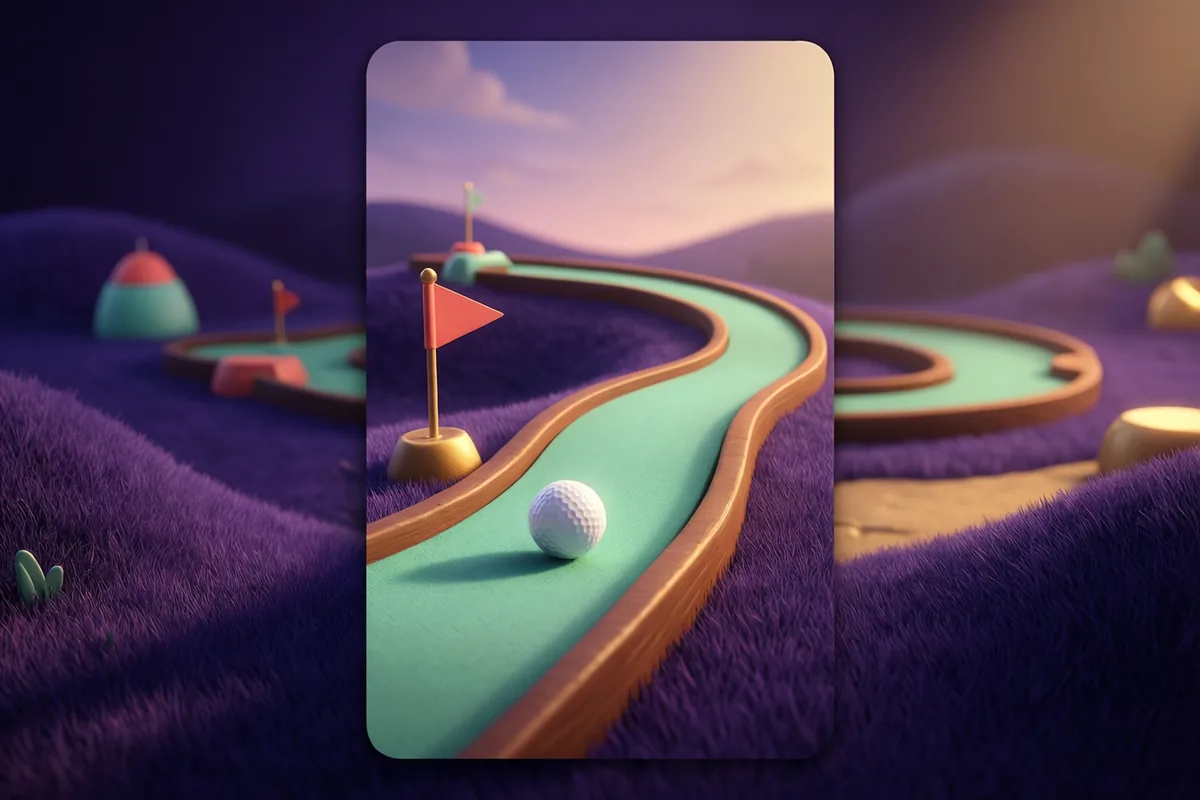
| Mini Putt | Plan a route to the hole | Drag and release to set direction and power. The nine-hole score counts strokes, so lower is better. |
| Darts | Time a throw at the crosshair | The moving aim makes release timing matter. You have nine darts in this edition. |
| Pop-A-Shot | Try another available format | Sink as many baskets as you can in 60 seconds as the hoop starts moving. |
If a Mini Putt shot travels in the right direction but stops short, adjust its power. If an Air Hockey return leaves the goal open, reconsider mallet position. In Darts, watch the crosshair at release when throws miss consistently to one side. The useful correction depends on the game’s input.
Use the sports game guide to distinguish aim, power and release timing. Changing one input at a time makes the next shot easier to compare with the previous attempt.
These are eight arcade sports games, which means each one takes a real sport and keeps a single repeatable motion from it. Mini Putt gives you nine holes and a par to beat, Darts gives you nine throws, Archery gives you ten arrows and Skee-Ball gives you nine balls. That fixed count is the point: you are not playing until you lose, you are spending a set number of attempts as well as you can. If you have a spare minute rather than a spare hour, the short break games guide lists which rounds fit inside one.
Mini Putt, Pop-A-Shot, Archery, Skee-Ball and Bowman all use one gesture for two values. The direction of the drag sets the line and the length of it sets the power, so a shot that goes the right way but stops short needs a longer pull, not a different aim. Nothing is decided until you release.
Darts moves a crosshair in a slow loop and sends the dart wherever it sits at the instant you click. Skee-Ball sweeps a power meter up and down and locks your power when you release. Penalty Shootout separates the two jobs: place the shot first, then stop the power bar in its sweet zone, with a sideways press to curve the ball.
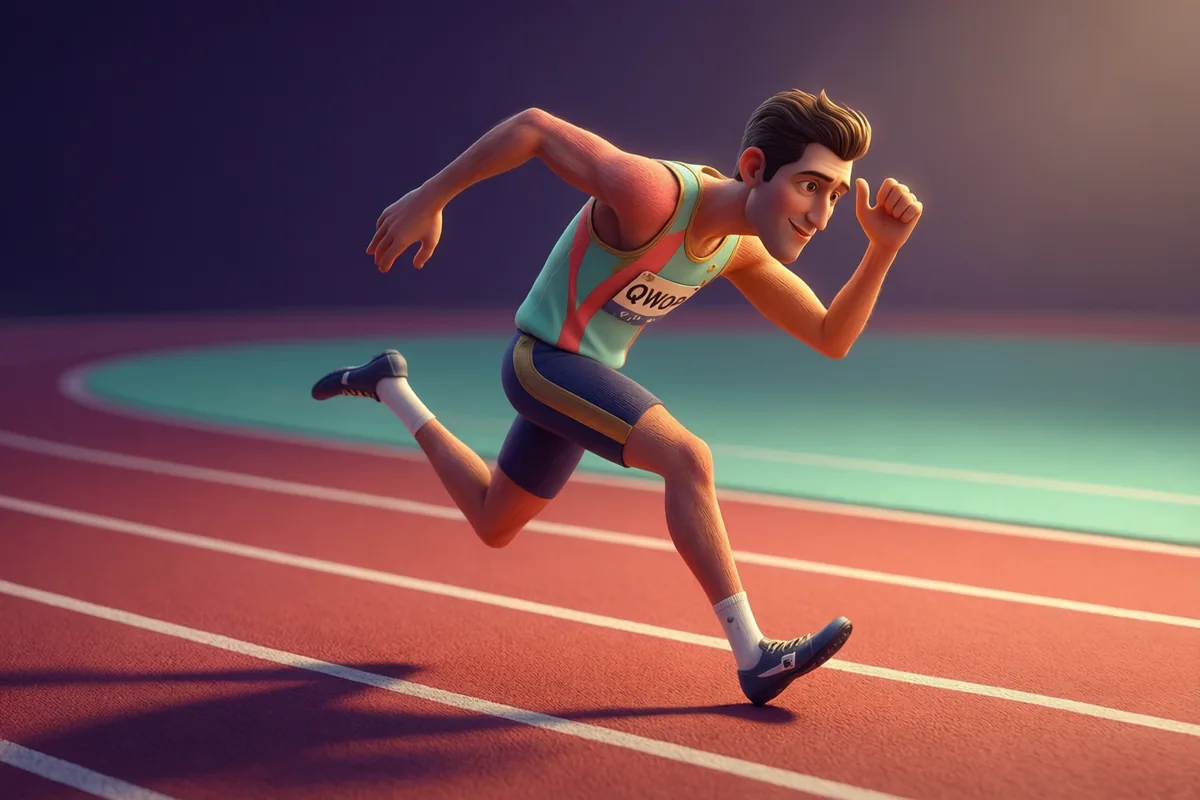
QWOP has no target. You alternate left and right leg presses, roughly one stride every 0.4 seconds, and the balance meter above the track shows how badly you are tilting. Pressing the same leg twice is a stumble, which is why the display tells you which leg comes next.
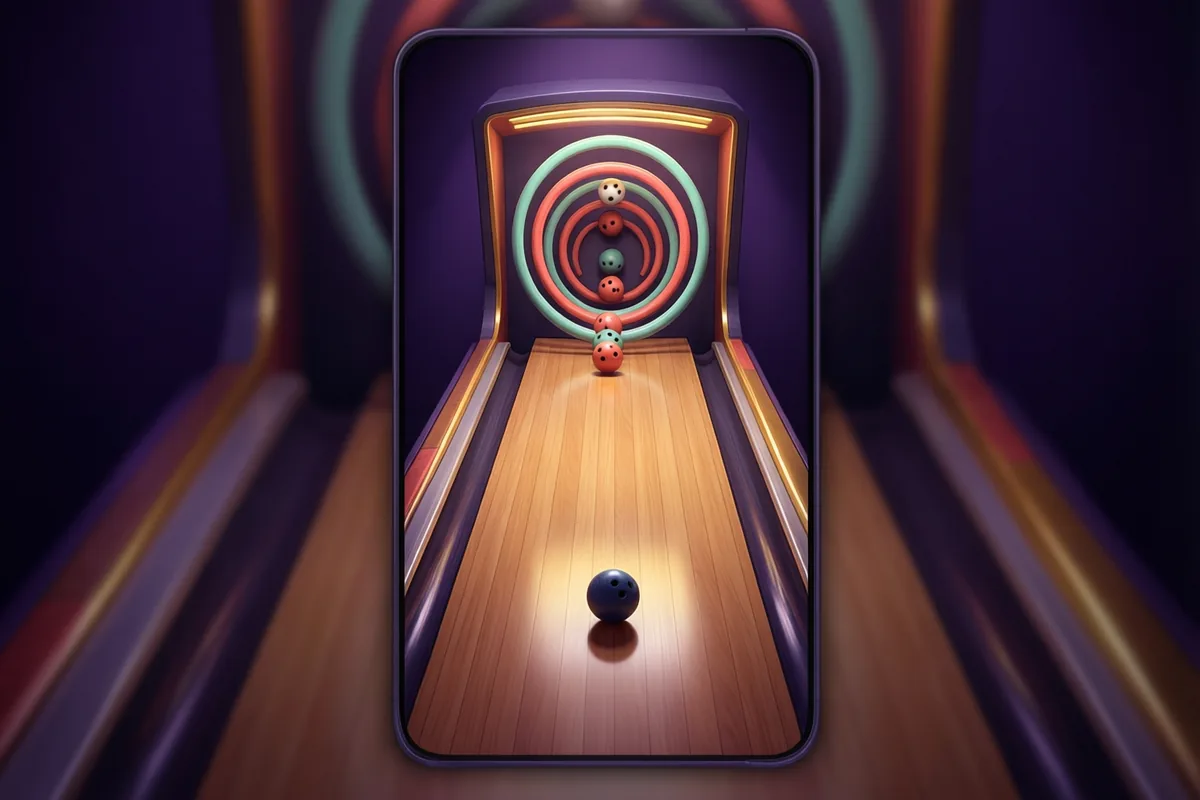
Skee-Ball is the clearest example, because the 40 ring never moves and only your power decides whether you reach it. Once you can hit the 40 repeatedly, the two 100-point corner pockets become a real choice rather than a wish. Mini Putt asks the same question with walls involved, since a banked putt keeps most of its pace.
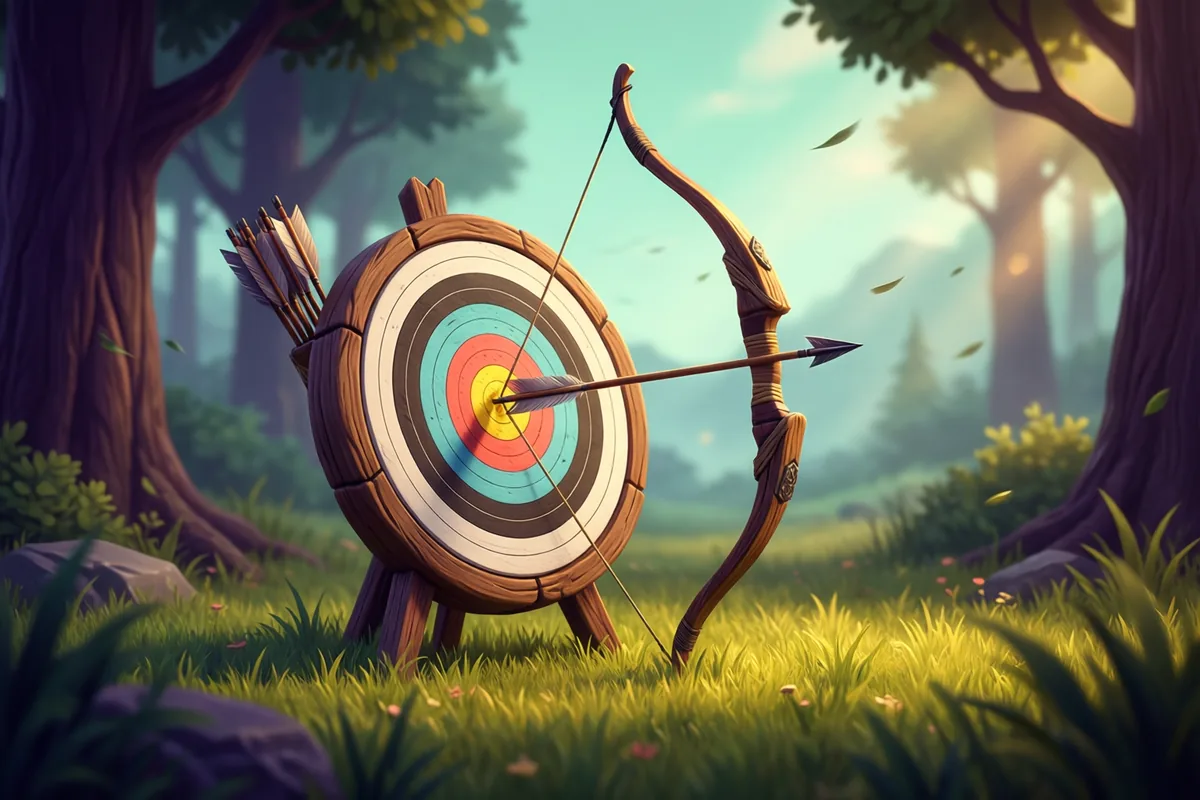
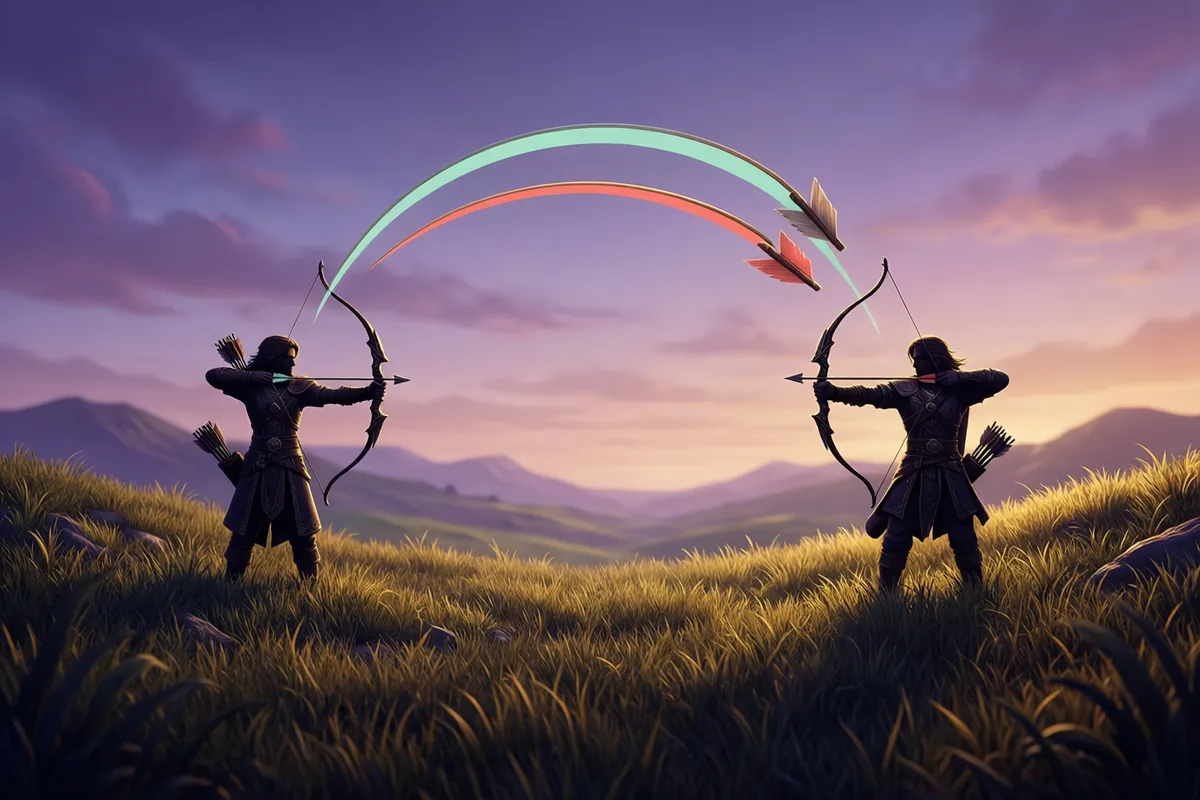
Archery puts flags beside the range: a limp flag means shoot straight and a stiff one means aim well upwind. Drawing further gives a faster arrow that flies flatter and drifts less, which is a second way to answer the wind. Bowman keeps a wind gauge at the top, and because wind bends the arrow for every moment of its flight, a high arc drifts much further than a flat one.
Penalty Shootout has a keeper that learns where you like to shoot, so the corner that worked twice is the one it starts diving towards. Bowman tightens the rival archer’s error margin after each duel you win. These two are the only games here where repeating a good shot makes it worse.
If a putt travels the right line and stops short, adjust the power and leave the aim alone. If it reaches the cup and misses left, do the opposite. Changing both at once tells you nothing, and you only have so many strokes. The mini golf aiming guide works through the wall bounces that shorten a hole.
Darts widens and quickens the sway on every round, so the first three throws are the steadiest you will get. Archery moves the target further away as the round goes on. In both games the cheap points are early, which is the reverse of what most players assume.
Pop-A-Shot runs for exactly sixty seconds and starts sliding the rim once you pass ten points, so it is a complete session on its own. Mini Putt is the long one, because your score is the total strokes across all nine holes and a bad hole early can still be rescued.
| Game | Motion practised | How aim is set | Attempts you get |
|---|---|---|---|
| Mini Putt | Putting off walls and around sand | Drag away from the ball for line and power | Nine holes, scored against par |
| Darts | Releasing at the right instant | Click when the drifting crosshair is on target | Nine darts |
| Archery | Correcting for wind | Draw and hold, aiming while the bow sways | Ten arrows |
| Skee-Ball | Controlling power up a ramp | Drag for angle, release on the power meter | Nine balls |
| Pop-A-Shot | Shooting an arc at a moving rim | Drag length and angle set the arc | As many as fit in sixty seconds |
| Penalty Shootout | Placing a shot under pressure | Aim first, then stop the power bar | Four rounds, then sudden death |
| QWOP | Alternating strides in rhythm | No aiming; only leg timing | One hundred metres per attempt |
In two of them. Penalty Shootout gives you a keeper that studies your habits, and Bowman puts a rival archer in the field who shoots back when you miss. The other six measure you against your own score or against par.
QWOP, and not by a small margin. Each key press is one stride of one leg, the same leg twice is a stumble, and the balance meter is close to unrecoverable once it turns red.
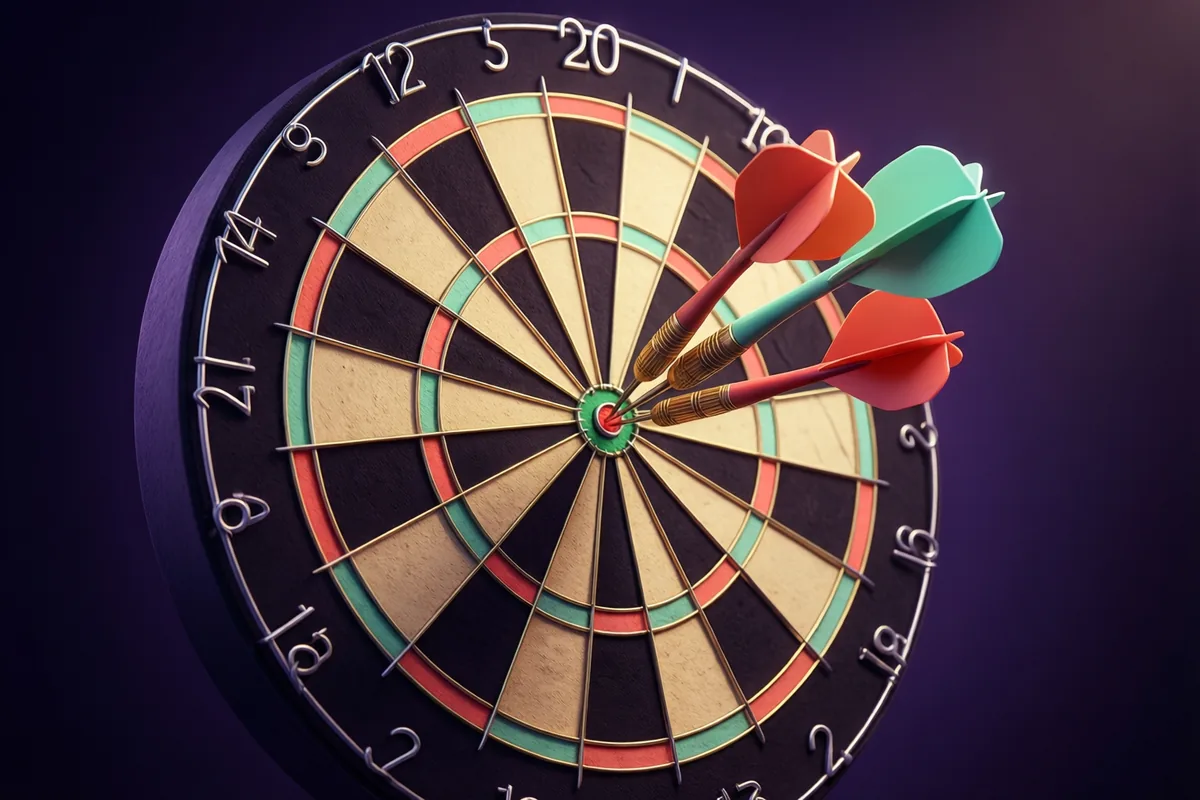
Darts uses a proper board: twenty numbered sectors, a doubles ring on the rim, a trebles ring further in, a 25-point outer bull and a 50-point inner bull. The treble twenty is worth 60, the biggest single score available, and it sits between the 1 and the 5. Mini Putt uses par across nine holes, so lower is better.
Probably holding the draw too long. The aim drifts while the bow is drawn and the wobble worsens the longer you wait. Read the flags, settle the line quickly and draw further back, because a faster arrow flies flatter and the wind gets less time to bend it.
Very little. Pop-A-Shot has no wind and no randomness, so an identical drag always produces an identical shot. Darts has no wind either; the sway is regular and learnable. Only Archery and Bowman change the conditions between shots.
Compare drag shots, timed kicks and live puck returns before trying to improve the score.
sports game guideShortcuts