 QUICK PICK
SnakeClassics·Free to play
 Free-Games.toSign inSurprise me
Play browser editions of arcade classics, including Snake, Breakout, Pong and Tetris. Steer a growing trail, return a ball or place falling pieces. The game pages explain the controls and any differences in these editions.
8 games · Free to play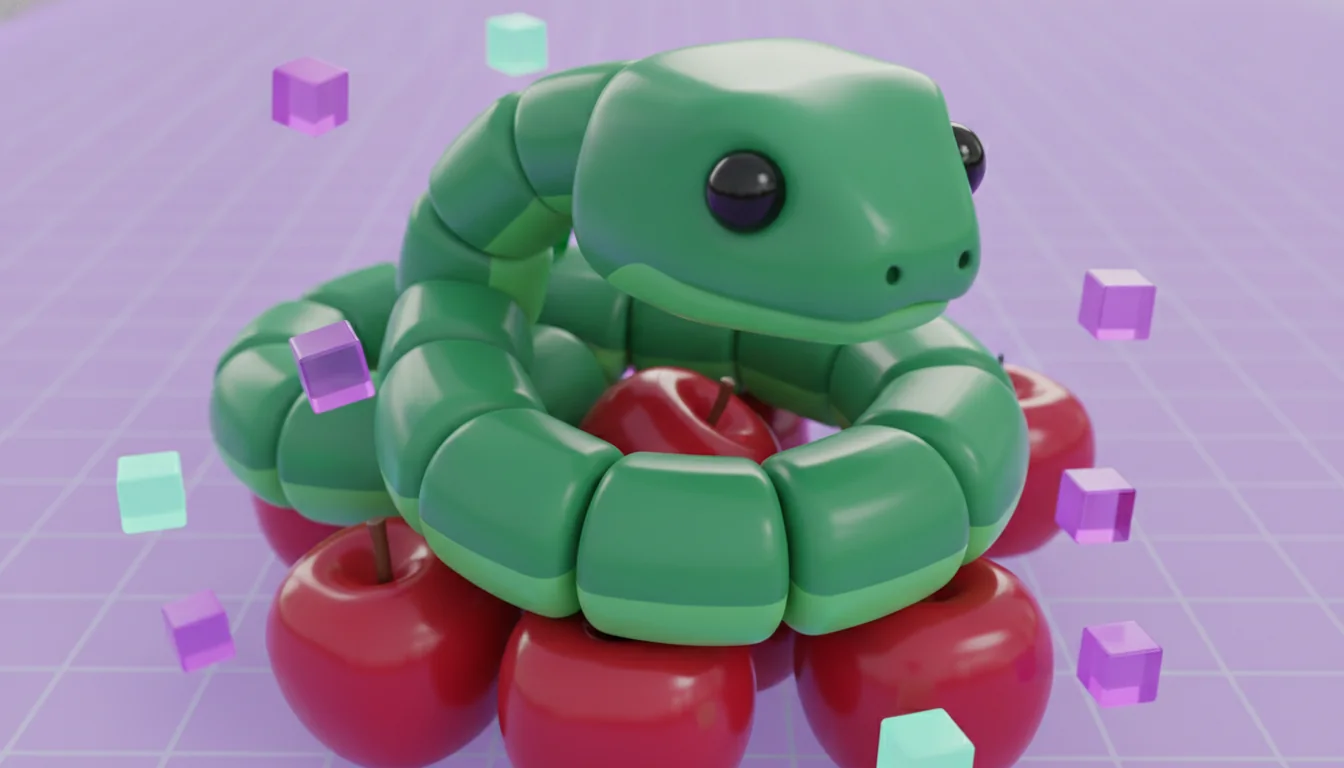 QUICK PICK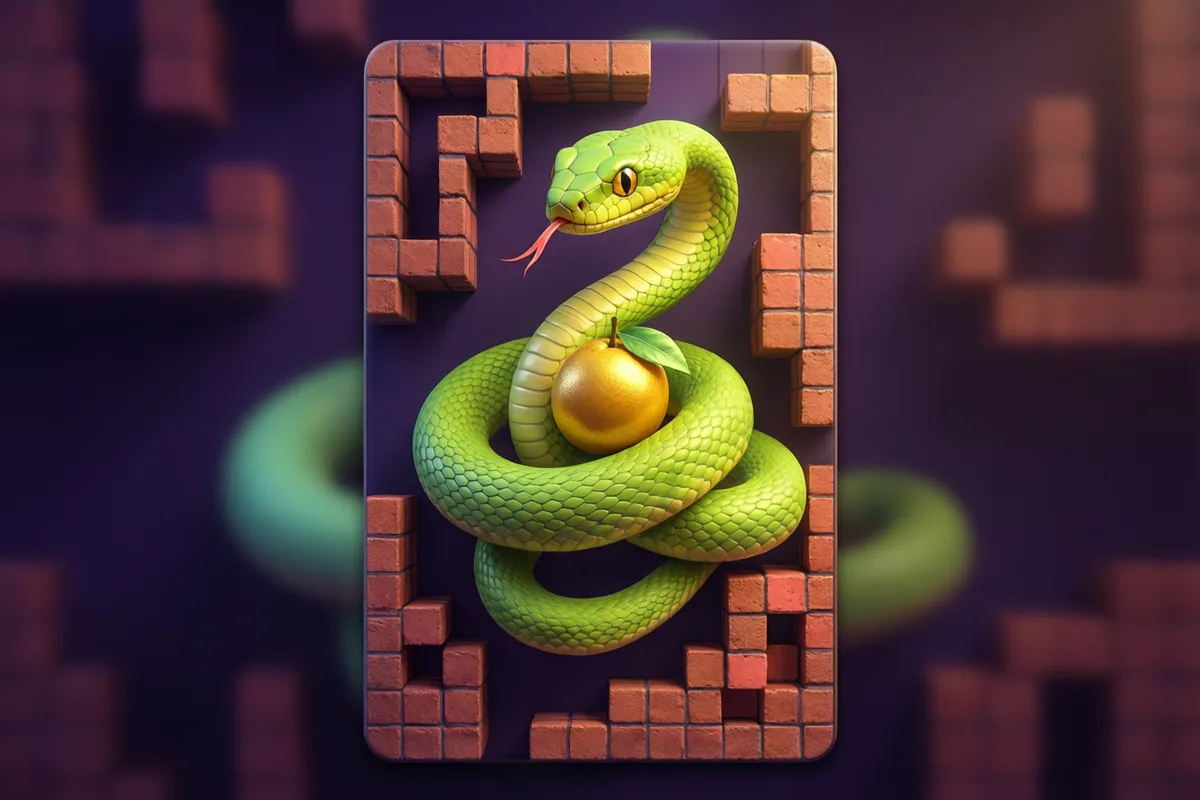


No games matched that search. Try a game name or browse a category. Explore all games →
These browser editions share compact playfields, but their decisions differ. Continuous steering, placing falling pieces and returning a ball reward different kinds of attention.
| Game | Choose it to… | What changes your next move |
|---|---|---|
| Snake | Plan a route that stays open | Each apple extends the body behind you. Look beyond the food so the route you take leaves room for the return. |
| Tetris | Fit pieces into a stack | Rotation and placement determine which rows can clear. A hole covered by another piece is harder to repair than an open gap. |
| Snake II | Try another available format | Eat to grow while wrapping through the walls, dodging maze bricks and grabbing timed golden bonuses across rising levels. |
For Snake, identify the turn that closes an escape route. For Tetris, review the placement that buries a gap. For Pong, watch where the ball meets the paddle. Use the next attempt to change that decision rather than treating every restart as the same exercise.
The arcade game guide connects positioning, timing and recovery to these browser editions. Use it to decide what to change after a missed return or a blocked route.
Eight classic arcade games sit in this collection, rebuilt to run in a browser tab with no download and no account. They come from the era when a cabinet had one screen, one rule and a coin slot: Snake, Snake II, Tetris, Lunar Lander, Tron Light Cycles, Circus Atari, Pinball and Donkey Kong. Each one is quick to start and slow to exhaust, which makes them good company for a short break rather than an evening. The arcade games guide covers the habits these cabinets share, and every game page lists its own controls before you press start.
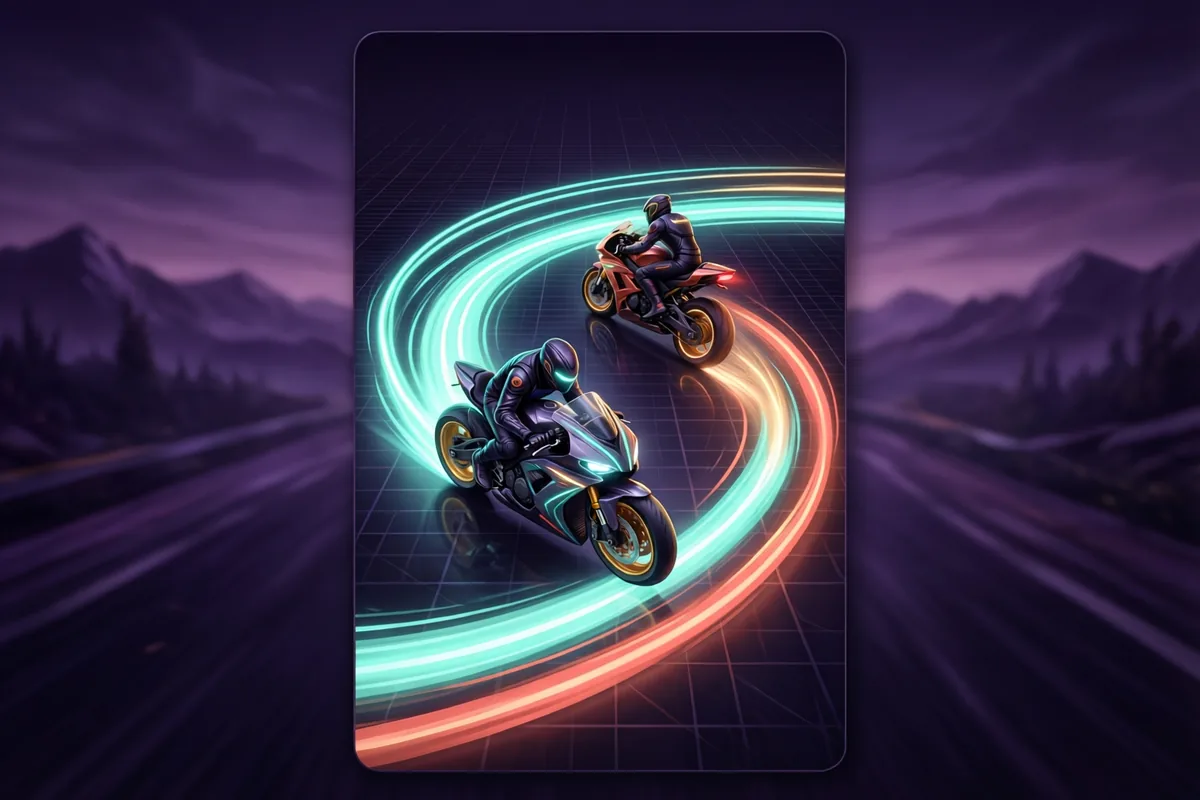
Snake turns the head instantly and lets the body follow the exact path it took. Snake II keeps that steering but removes the killer borders, so leaving one edge returns you at the other. Tron Light Cycles allows only hard ninety-degree cuts, and your own trail stays lethal for the whole round.
Tetris wants a slot chosen the instant a piece appears, then rotation and sliding on the way down. A soft drop keeps control; a hard drop commits. Pinball goes further and gives each flipper its own key or its own side of the screen, so holding one while releasing the other is a real technique.
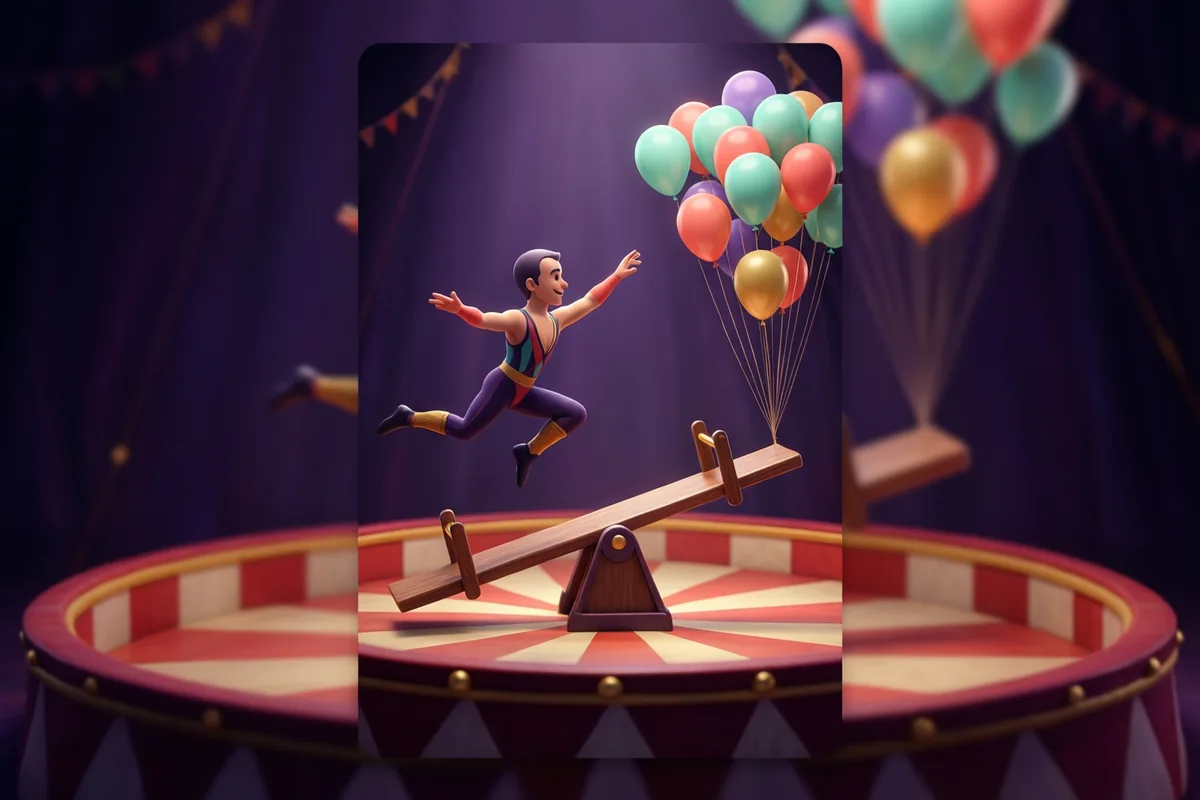
Circus Atari gives you a teeter-board and nothing else. Where the acrobat strikes it decides the launch angle, near an end for a flat sideways bounce and near the middle for a tall one. Lunar Lander splits the same idea into two keys: rotation aims the module, and the thruster always pushes opposite the way it points.
Snake ends the moment the head meets a wall or any segment of its own body, and long runs usually die on the body. Tron Light Cycles is stricter still, because the arena border, the rival trail and your own trail all finish the round instantly. There are no shields in either game and no second chances.
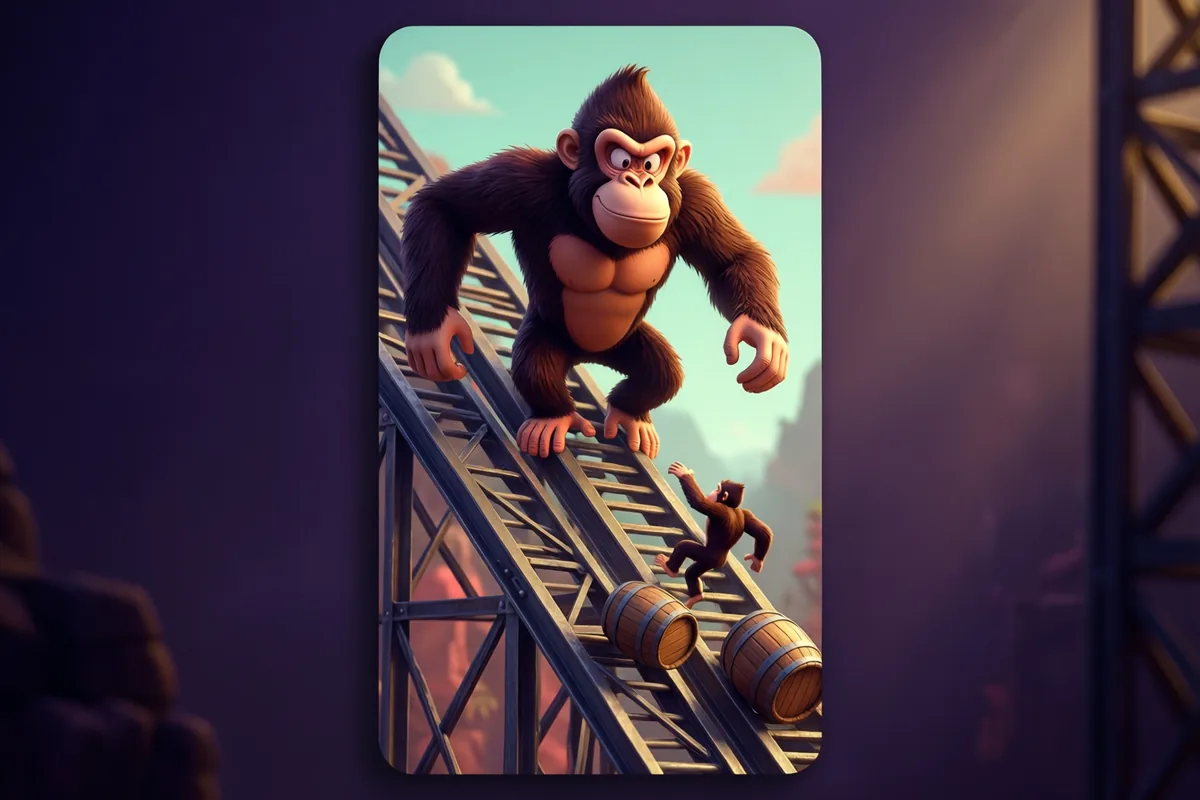
Circus Atari gives you three performers, and three missed catches end the show. Pinball gives you three balls, with one automatic relaunch inside the four-second launch save. Donkey Kong takes a life for every mistimed jump, then pays 300 points plus 50 for each life still standing when you reach the top girder.
Tetris ends when the stack climbs high enough that a new piece has nowhere to spawn, which is a slower and more deserved death than a collision. Lunar Lander ends when the tank empties or a landing turns into a crash, and gravity is stronger on every descent after a safe touchdown.
Snake is the cheapest lesson in this collection because the mistake is always visible afterwards. Every apple adds a segment behind you, so the question is not where the food is but whether the route out still exists. The Snake strategy guide covers the turn that closes an escape route.
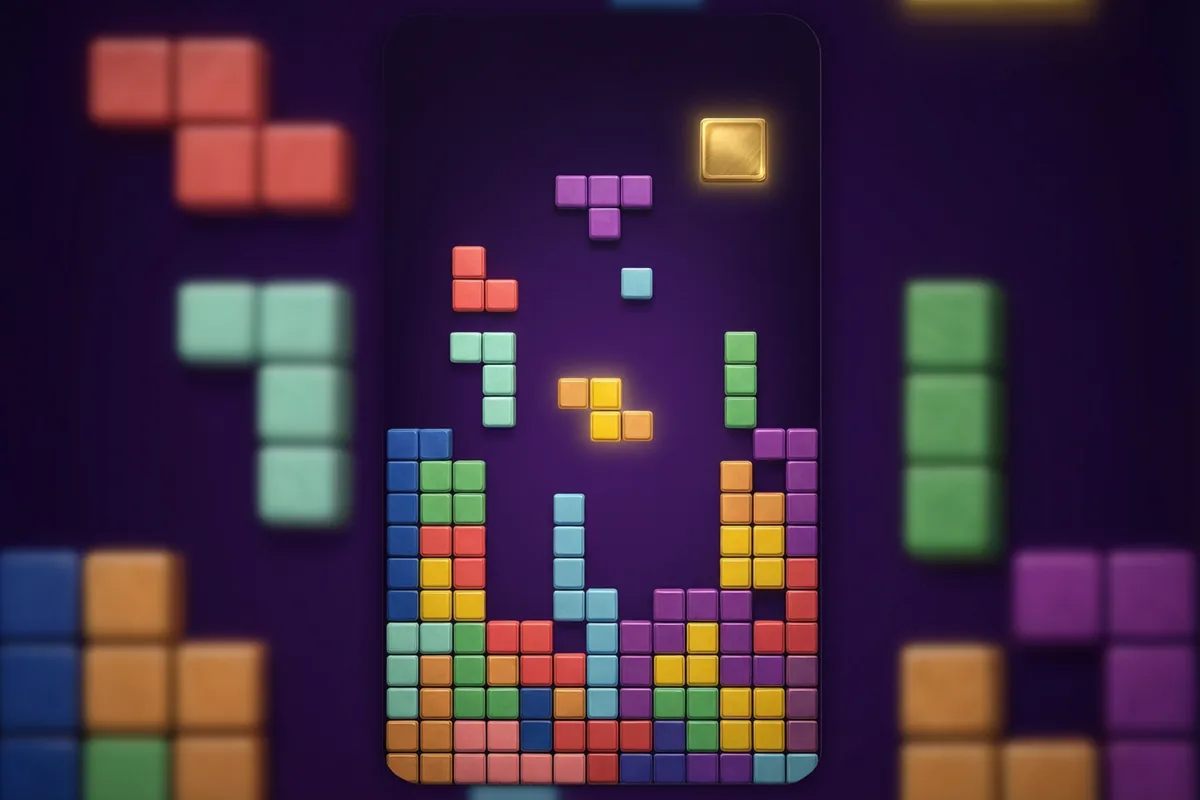
Seven shapes, one well, and a level system that raises the drop speed each time you clear lines. Clearing several rows with one piece multiplies the points sharply, which is why good players build flat and wait. A hole covered by the next piece is far more expensive to repair than an open gap.
Pinball asks for three objectives before it pays out: every pop bumper hit, a full yellow target bank cleared and the right spinner orbit crossed three times. Only then does the saucer jackpot open, worth 3,000 base points on the first collection and fifteen seconds of double scoring. If you would rather shoot back at something, the arcade shooting games use the same short-run shape.
| Game | What you control | How a run ends | What gets harder |
|---|---|---|---|
| Snake | One direction for the head | A wall, or any part of your own tail | Speed rises every few pieces of food |
| Tetris | Move, rotate, hold and drop | The stack reaches the top of the well | Every level raises the drop speed |
| Lunar Lander | Rotation and a fuel-burning thruster | The tank empties, or you land too fast | Gravity is stronger on each descent |
| Tron Light Cycles | Left and right turns, plus a boost | Any border or trail, including your own | The rival plays harder late in a best-of-five |
| Circus Atari | A sliding teeter-board only | Three dropped performers | Gaps open as the balloon rows drift |
| Pinball | Two flippers, a charged launch and a nudge | Three balls drained | Three quick nudges tilt the table |
| Donkey Kong | Walking, ladder climbing and a jump | Barrels take your last life | Barrels speed up after each climb |
No. Snake and Snake II take swipes, Tetris accepts a swipe down to hard-drop and up to hold, and Circus Atari follows a finger drag. Pinball puts a flip button on each side of the table so you can hold one flipper and release the other.
Three things. The walls wrap instead of killing, grey maze bricks appear and multiply level by level, and a gold star turns up ringed by a shrinking timer. Every fifth apple raises the level, which speeds the snake up and rebuilds the maze thicker.
Yes. It runs as a best-of-five match, so the first rider to three round wins takes it. That makes it the one classic here with a definite result rather than a high score.
Lunar Lander. It asks you to read the terrain for a flat pad, cancel sideways drift with short bursts and arrive almost upright. Narrow pads carry score multipliers precisely because they demand that patience.
You probably tilted it. Nudging can shift the ball, but three rapid nudges disable the flippers, the scoring and the ball save until the next ball is served.
Read the different clocks in Snake, Breakout, Pong and Tetris: grid steps, collisions and falling pieces.
arcade game guideShortcuts