Chess ClockTiming tool·Free to use
 Free-Games.toSign inSurprise me
Checkmate the opposing king in a full game of chess against the computer or a friend.
Sign in to save your scores and play history, or keep playing as a guest. Recent game activity and scores appear on the homepage with a masked email or IP address.
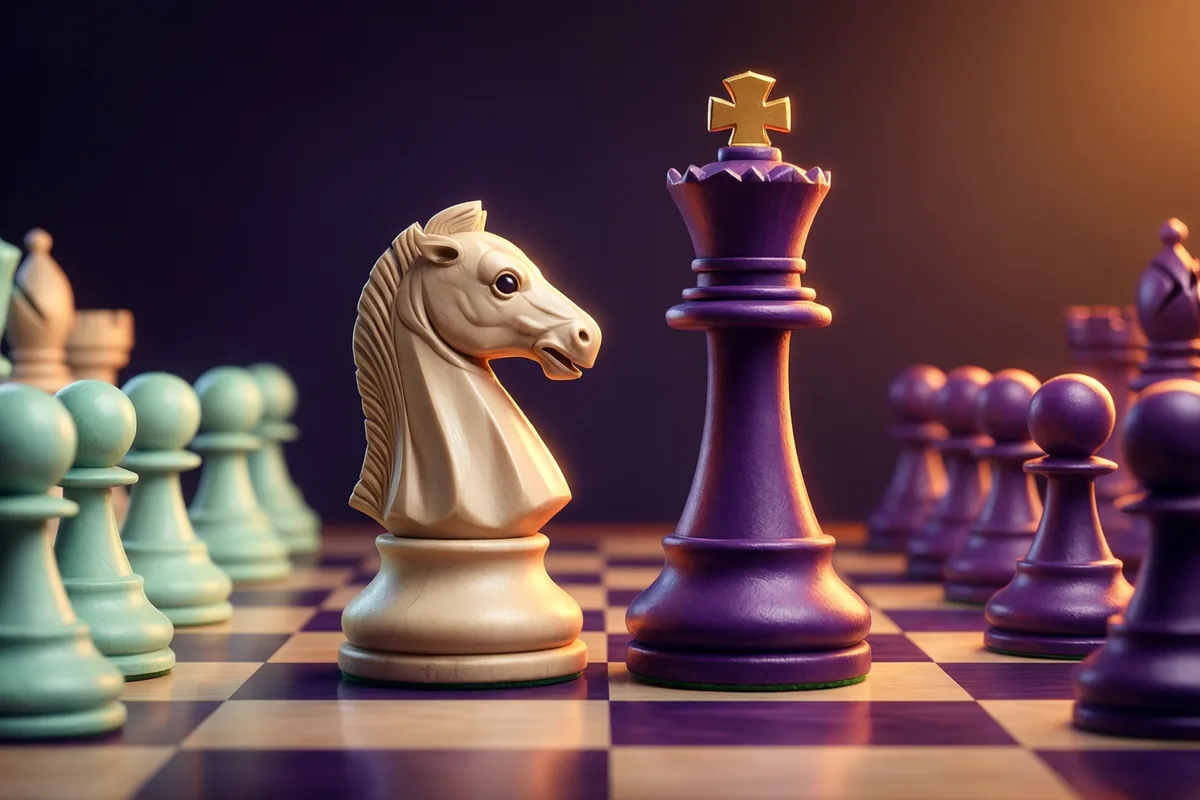 Chess
ChessPlay the computer at Casual, Club or Strong, or share the board with another person. Pick White or Black; the board turns to face you and the computer opens when you take Black. Select a piece to see its legal destinations, marked with dots for empty squares and rings for captures.
Moves that leave your king in check are forbidden. Castling, en passant and promotion are supported. Choose a queen, rook, bishop or knight when promoting.
Checkmate wins. Stalemate, insufficient material, threefold repetition and the fifty-move rule end this browser edition in a draw. Undo takes back a complete pair of turns against the computer.
This Chess game is built for Free Games. Read about controls and local storage.
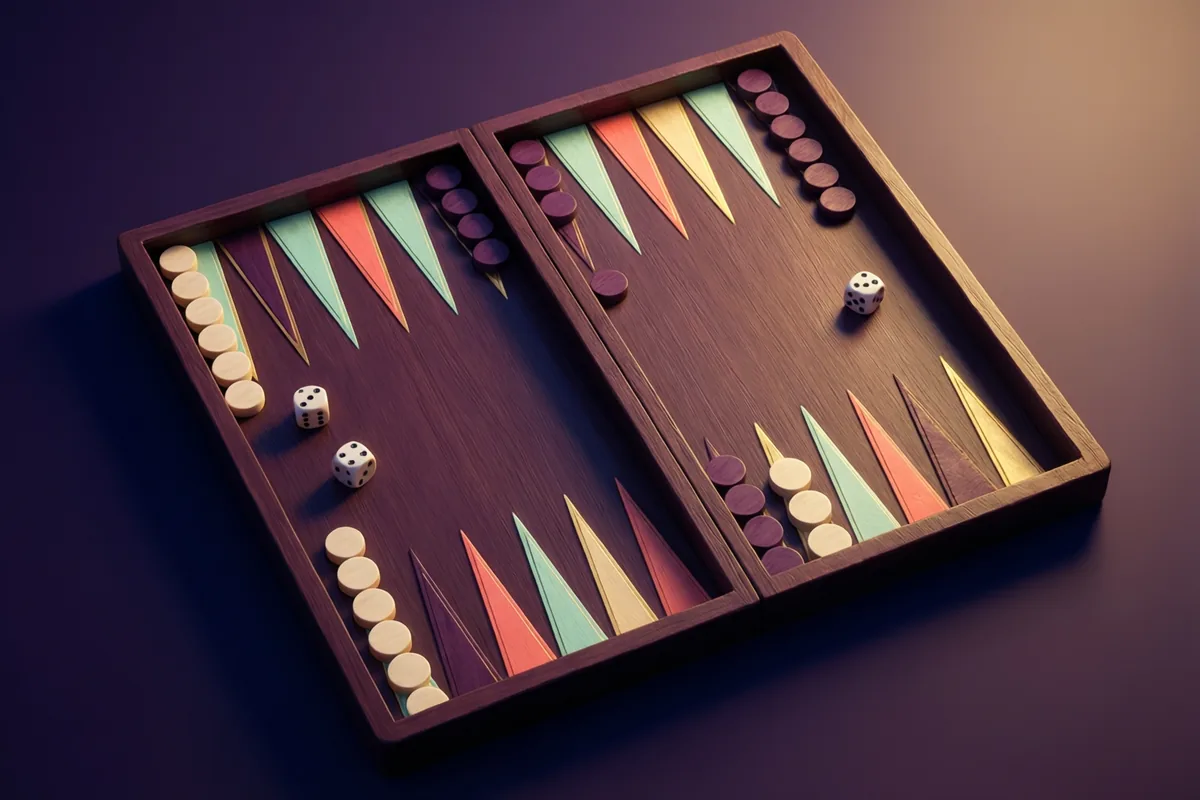
Chess has no dice: every legal move is available to inspect. In Backgammon, a roll changes which moves you can make.
Checkers plays by a different capture law: jumps are compulsory. If you also play draughts, the checkers rules on captures and kings covers forced captures, multi-jumps and crowning.
Chess is the full game: 32 pieces, 64 squares, and one goal, which is to trap the enemy king so that it is attacked and has no legal escape. That is checkmate, and it ends the game immediately.
Everything supported here is the real rule set. Castling on both sides, en passant capture, and pawn promotion to a queen, rook, bishop or knight when a pawn reaches the far rank. Any move that would leave your own king in check is refused outright, so you cannot blunder into an illegal position. Select a piece and the board marks its legal destinations.
Draws are handled properly too. Stalemate, insufficient material, threefold repetition and the fifty-move rule all end the game as a draw, and the status line names which one. Undo takes back a full pair of turns.
Be clear about the opponent: it is a casual computer player that looks a short way ahead and mostly counts material, not a rated engine. It will punish a hanging piece and miss deeper ideas. Choose 2 players to share the device instead, and use the chess clock if you want timed games on a real board. Other two-player boards sit in the board game strategy guide.
| Genre | Board Strategy Games |
|---|---|
| Challenge | A lifetime of study, playable in an hour |
| Pace | Twenty minutes to an unhurried afternoon |
| Original era | About 600 CE in India, modern rules from 1475 |
| Players | Two players on one device, or against the computer |
| Controls | Tap / click / Enter, New game, Level selector, Play as, Undo |
| Cost | Free, with no account and no download |
Chess descends from chaturanga, played in northern India by about the sixth century CE. Its four divisions of the army, infantry, cavalry, elephants and chariots, became the pawn, knight, bishop and rook. The game moved to Persia as shatranj, where "shah mat", the king is helpless, gave English the word checkmate.
Arab traders and conquest carried shatranj across North Africa into Spain and Sicily by the tenth century. The medieval European game was slow: the queen moved one square diagonally and the bishop jumped two.
The modern game was born in Spain and Italy around 1475, when the queen and bishop gained their long-range powers. Contemporaries called it "scacchi alla rabiosa", mad queen chess, because games suddenly ended fast. Those are essentially the rules we still play.
Formal competition followed much later. Howard Staunton organised the first international tournament in London in 1851, and Wilhelm Steinitz became the first recognised world champion in 1886. Computers caught up in 1997, when IBM's Deep Blue beat Garry Kasparov over six games. If you want a board where luck has a seat at the table, backgammon is the counterweight.
It is casual, not a serious engine. It searches only a short distance ahead and judges positions mainly by the material on the board, so it grabs free pieces and avoids obvious losses but misses long plans. Treat it as a practice partner rather than a test.
Yes, both, plus promotion. Castle by moving the king two squares toward the rook when neither has moved, the squares between are empty, and the king is not passing through check. En passant appears automatically when a pawn's two-square advance passes your capturing pawn.
You choose the piece it becomes: queen, rook, bishop or knight. The board asks you rather than assuming a queen, because underpromotion to a knight occasionally delivers a check that a queen cannot.
Four ways here. Stalemate, when the player to move has no legal move and is not in check. Insufficient material, when neither side can possibly mate. Threefold repetition of the same position. And the fifty-move rule, meaning fifty moves by each side with no capture and no pawn move.
Yes. Undo reverses a full pair of turns against the computer, so both your move and its reply disappear and it is your turn again in the earlier position. Use it to test an idea rather than to grind out a win.
Yes. Set the opponent selector to 2 players and pass the device. Nothing is installed and no account is required, though for a game across a real board you may prefer the timer page.
Almost always because the move would leave your own king in check, which is illegal. Select your king to see whether it is currently attacked. The board only offers legal destinations, so anything not highlighted breaks a rule somewhere.
Four games from the same shelf, each with its own pace. The one-line summaries are how their own pages describe them.
| Game | What it is like | Pace | Play |
|---|---|---|---|
| Chess Clock | Time a game on your own chessboard with two configurable countdown clocks. | Whatever you set, from 1 to 180 minutes | Play |
| Reversi | Outflank opposing discs and finish with the most discs on an eight-by-eight board. | Around ten minutes a game | Play |
| Backgammon | Move all fifteen checkers into your home board and bear them off before your opponent. | Ten to twenty minutes for one game | Play |
Gravity, forced captures, extra turns and legal replies change what “think ahead” means on each board.
 NEW GAME
 NEW GAME
Shortcuts