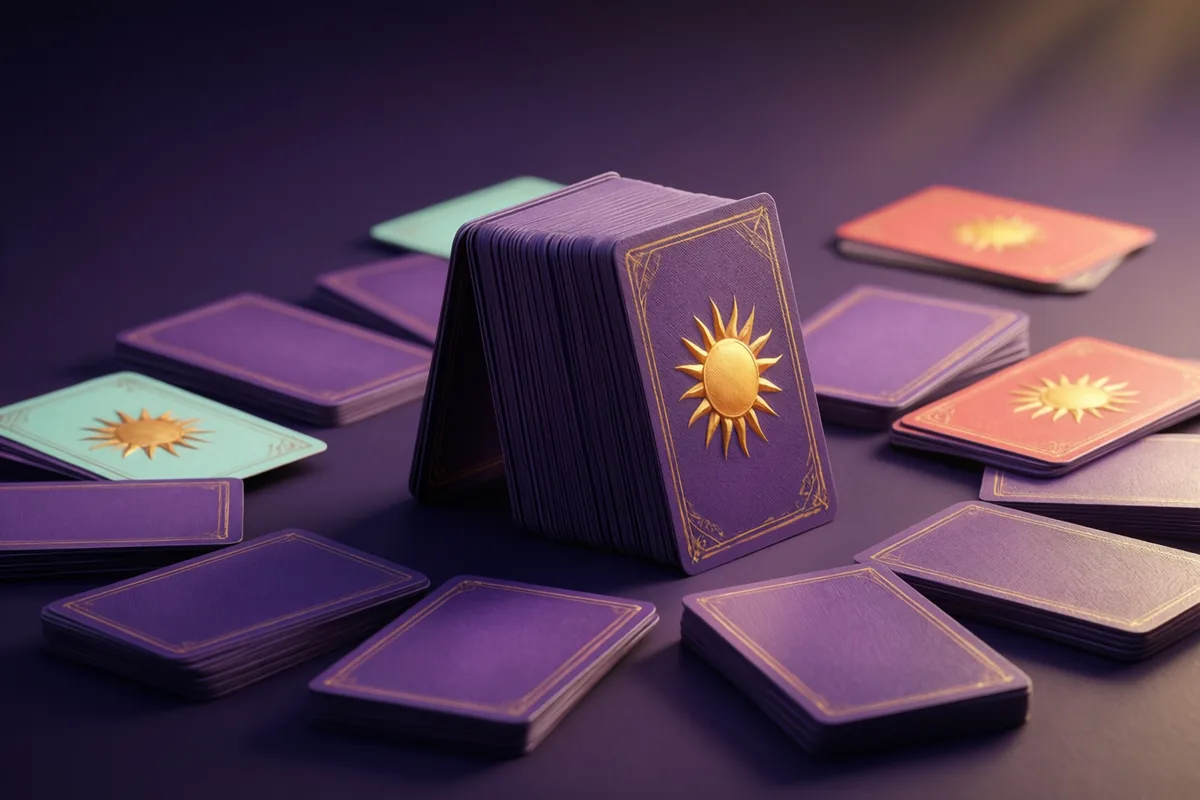
ConcentrationPuzzle·Free to play
 Free-Games.toSign inSurprise me
Repeat the machine's growing sequence of lights and tones without a slip.
Independent browser adaptation · Not an official releaseSign in to save your scores and play history, or keep playing as a guest. Recent game activity and scores appear on the homepage with a masked email or IP address.
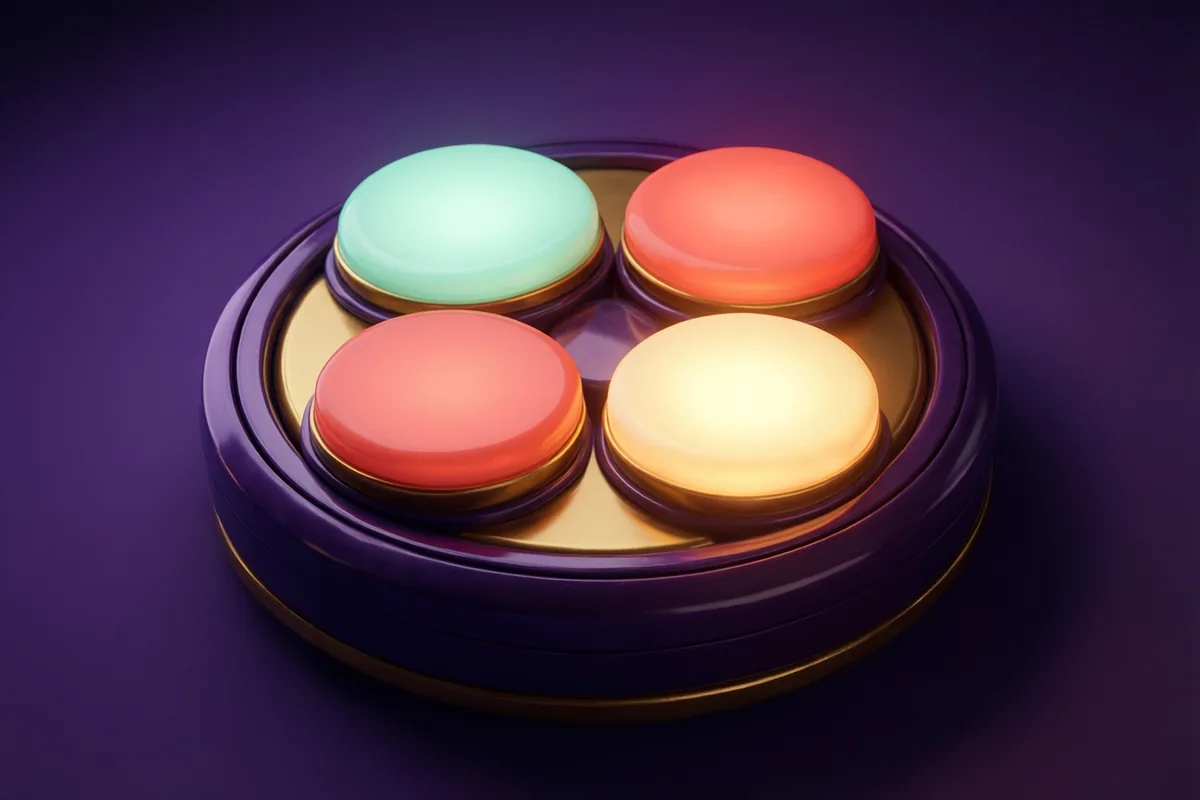 Simon
SimonKeep your hands still while the machine plays. The pads flash one at a time, each with its own tone, and every flash matters. Your turn starts only when the playback ends.
Click or tap the pads - Or use the 1-4 keys - In exactly the order they lit up. One wrong pad ends the run on the spot.
Each round replays the full sequence with one new step at the end. The old part never changes, so what you memorized last round still counts.
As your sequence grows, the machine plays it back faster. The notes blur together unless you have chunked them into groups you can actually hold.
Some rounds are marked as multiplier rounds and pay extra points for a clean answer. They are the moments that separate a personal best from a merely good run.
This independent browser adaptation uses the original game’s established title. It is not an official publisher release or an original ROM. Its artwork, tuning and controls may differ from other games with similar rules. Guest personal bests stay in this browser. Signed-in players can also save scores and play history to their private dashboard; there is no global leaderboard. Read about controls and local storage.
Simon asks you to remember an order. Concentration asks you to remember locations, so a useful comparison is whether you recall the next step or the matching card’s position.
Simon is a memory duel with a machine that never forgets. Four glowing pads flash a pattern, each with its own tone, and your whole job is to play it back. Easy at three notes. Interesting at eight. Personal at fifteen, when the playback speeds up and the sequence starts to feel like a song you almost know. One wrong pad ends the run - There are no second guesses in this booth. Our version keeps the classic four-pad ritual and adds pressure the original never had: playback that accelerates as you climb, and multiplier rounds where a clean answer pays extra. Play it with a mouse, the 1-4 keys, or your thumbs on a touchscreen. Every run builds a brand new sequence, so the only thing you can bring with you is memory, and the only score to beat is your own. Free to play, no download, no signup - Just you and the lights.
| Genre | Browser Skill Games |
|---|---|
| Challenge | Memory under a spotlight |
| Pace | Sequences lengthen, playback speeds up |
| Original era | 1978 (electronic memory games) |
| Players | Single player |
| Controls | Click / Tap pads, 1-4 keys, Space / Tap the hub |
| Cost | Free, with no account and no download |
The four-pad memory game was born in an arcade, not a living room. In 1974 Atari shipped Touch Me, a cabinet with four buttons that flashed a growing pattern and dared players to repeat it. It earned little money and less love - But at a trade show in 1976, home-video-game pioneer Ralph Baer tried it and saw a great idea buried under what he later described as miserable sounds.
Baer teamed up with Howard J. Morrison of the design firm Marvin Glass and Associates to rebuild the idea as a toy. He tuned the four pads to bugle notes chosen to harmonize in any order, so even losing sounded musical. Milton Bradley released the result as Simon in 1978 and launched it with a midnight party at Studio 54, the most famous disco on Earth. Simon became the must-have toy of that holiday season - And Atari, in a neat reversal, answered with a handheld Touch Me the very same year.
Follow-the-pattern games never really left; they just kept changing shape, from keychain toys to rhythm games. Simon brings the ritual to your browser with the modern arcade treatment: accelerating playback, multiplier rounds, a saved personal best, and a new song to remember every single run.
Repeat the machine's growing sequence of lights and tones for as many rounds as you can. The sequence gains one step per round, and one wrong pad ends the run.
Four, each with its own color and tone - The classic layout that electronic memory games have used since the late 1970s.
The run ends immediately and your score is banked. There are no lives and no partial credit, which is exactly why a long run feels so good.
Special rounds that pay bonus points for a clean answer. They appear as your run goes on, and clearing them is how top scores pull away from merely long ones.
Speed is the difficulty curve. A twelve-note sequence at gentle pace is a stroll; the same twelve notes at full speed test whether you truly memorized them or were just following along.
There is no cap - The machine will happily keep adding notes for as long as you keep answering. Most players hit a wall somewhere in the teens; a personal best lives just beyond it.
No. Each run generates a new pattern of lights, so nothing can be rehearsed - A pure test of memory with no luck involved.
Absolutely. The four pads are sized for thumbs - Tap them directly, exactly as you would click them, and the tones and timing work the same as on desktop.
Four games from the same shelf, each with its own pace. The one-line summaries are how their own pages describe them.
| Game | What it is like | Pace | Play |
|---|---|---|---|
| Concentration | Every card you forget costs you twice. | Timer squeezes, grid grows | Play |
| The Impossible Quiz | Every question is fair. Your assumptions are not. | Ten seconds of doubt at a time | Play |
Separate anticipation, reaction and continuous steering so you can tell what an attempt actually teaches.

Shortcuts